


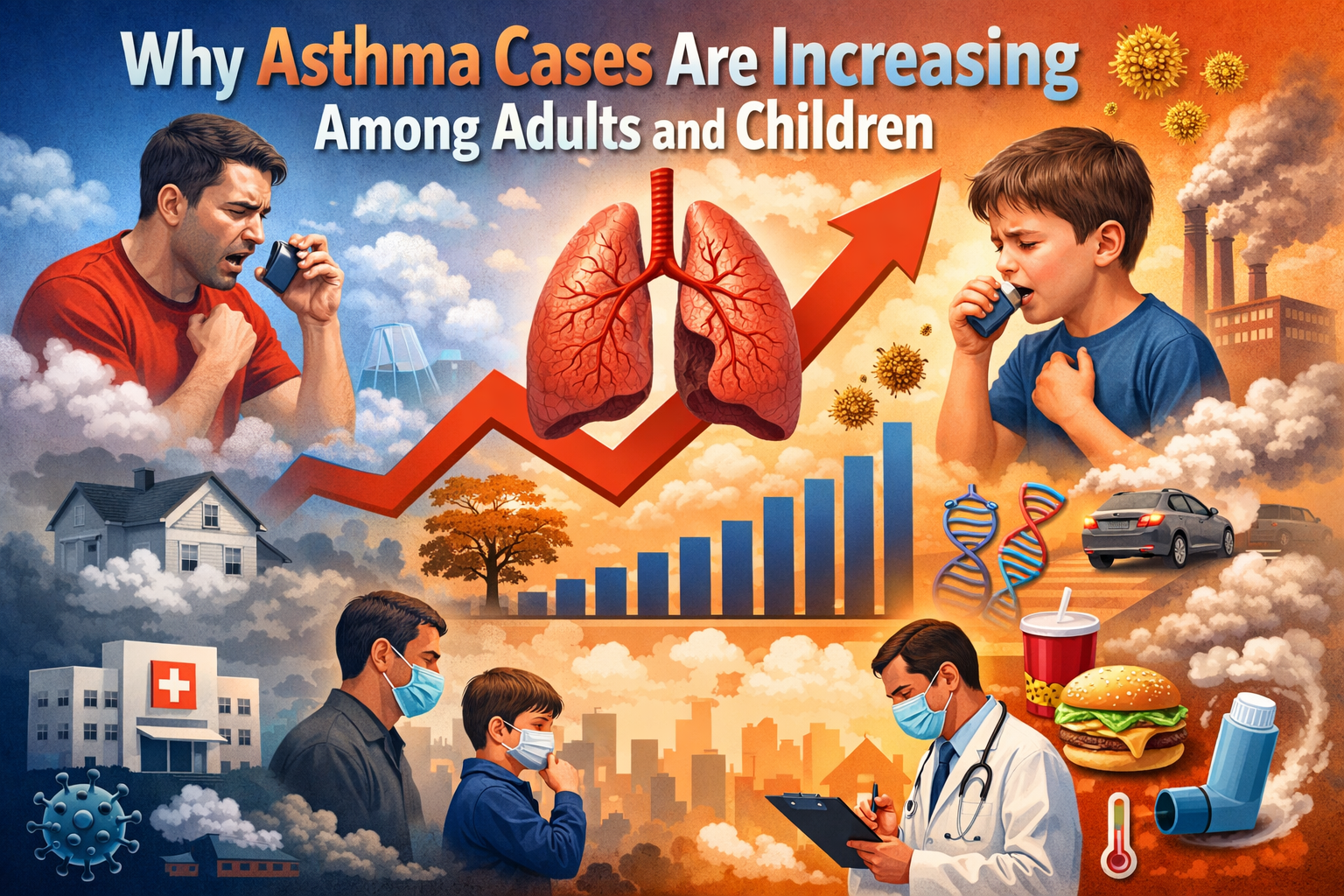
Across hospitals, primary care clinics, and pediatric offices, physicians are noticing a concerning trend. Asthma, a chronic respiratory condition once thought to affect a limited portion of the population, is now being diagnosed more frequently among both adults and children. Doctors and general physicians report that breathing-related complaints have become increasingly common during routine medical visits, prompting deeper investigation into the causes behind this rising health concern.
Asthma is a chronic condition that affects the airways in the lungs. In individuals with asthma, the airways become inflamed and sensitive, narrowing in response to various triggers. This inflammation can cause symptoms such as wheezing, shortness of breath, coughing, and chest tightness. For some patients, these symptoms appear occasionally, while others experience persistent breathing difficulties that require ongoing medical care.
General physicians emphasize that asthma is not simply an occasional breathing issue but a complex inflammatory disease that can affect quality of life if not managed properly. Fortunately, modern medicine offers effective strategies to diagnose, monitor, and control asthma symptoms. Through early detection, patient education, and personalized treatment plans, doctors help patients maintain healthy, active lives despite the condition.
However, the growing number of asthma diagnoses raises important questions about why the condition is becoming more prevalent. Physicians point to a combination of environmental, lifestyle, and health factors that may be contributing to the increase. Air pollution, indoor allergens, climate changes, and modern living environments are all believed to play roles in affecting respiratory health.
Doctors also note that asthma does not exist in isolation. Respiratory health is closely connected with cardiovascular health, metabolic conditions, and overall lifestyle patterns. For example, persistent inflammation within the body can influence both lung and heart health. The broader impact of chronic conditions is explored in How High Blood Pressure Is Becoming a Silent Health Crisis, where physicians discuss how underlying health risks can affect multiple organ systems simultaneously.
Additionally, doctors emphasize the importance of understanding how chronic illnesses interact with one another. Kidney function, immune response, and metabolic balance can all influence respiratory health. These connections are explored further in What Doctors Want Patients to Understand About Chronic Kidney Disease, where physicians explain how systemic health conditions can influence overall well-being.
As asthma diagnoses continue to rise, doctors stress the importance of awareness, early diagnosis, and proper medical care. With the guidance of experienced physicians and general practitioners, many patients can successfully manage asthma and lead healthy, active lives.
Understanding Asthma and How It Affects the Airways
To understand why asthma cases are increasing, it is important to first understand what happens inside the lungs during an asthma episode. The respiratory system is responsible for delivering oxygen to the body and removing carbon dioxide through breathing. Healthy airways allow air to flow freely into and out of the lungs.
In individuals with asthma, the airways become inflamed and hypersensitive. When exposed to certain triggers, the muscles surrounding the airways tighten, and the lining of the airways swells. At the same time, excess mucus may accumulate within the air passages.
These combined changes narrow the airways, making it more difficult for air to move in and out of the lungs. As a result, individuals may experience wheezing, coughing, shortness of breath, or chest tightness.
Doctors often explain asthma as a condition that varies from person to person. Some individuals experience mild symptoms only during certain seasons or activities, while others may face frequent flare-ups that require continuous treatment.
The underlying cause of asthma is complex and involves interactions between genetic predisposition and environmental exposures. Individuals with a family history of asthma or allergies may be more susceptible to developing the condition.
However, environmental factors also play a significant role in triggering airway inflammation. Exposure to pollutants, allergens, and respiratory infections can all contribute to the development or worsening of asthma symptoms.
Physicians emphasize that understanding the mechanisms behind asthma is essential for effective treatment. By identifying triggers and controlling inflammation, doctors can help patients manage their condition more effectively.
Why Doctors Are Seeing More Asthma Cases
One of the primary reasons physicians are diagnosing asthma more frequently is the increase in environmental pollution. Urbanization and industrial activity have contributed to higher levels of airborne pollutants, including particulate matter, ozone, and chemical irritants.
These pollutants can irritate the respiratory system and trigger inflammation within the airways. Over time, repeated exposure may increase the likelihood of developing chronic respiratory conditions such as asthma.
Indoor environments also play a significant role in respiratory health. Many individuals spend the majority of their time indoors, where they may be exposed to allergens such as dust mites, mold, pet dander, and household chemicals.
Climate change has also been identified as a contributing factor. Warmer temperatures and changing weather patterns can increase pollen levels and extend allergy seasons. For individuals sensitive to environmental allergens, this prolonged exposure may increase asthma risk.
Doctors also note that lifestyle factors can influence respiratory health. Reduced physical activity, increased obesity rates, and dietary changes may contribute to inflammation within the body, potentially affecting lung function.
Another important factor is improved medical awareness. Physicians today are better equipped to recognize and diagnose asthma earlier than in previous decades. Advances in diagnostic tools and greater awareness among patients have contributed to more accurate identification of the condition.
While rising diagnosis rates may appear alarming, doctors emphasize that earlier detection also means better opportunities for treatment and symptom control.
The Role of General Physicians in Diagnosing Asthma
General physicians and primary care doctors play a central role in identifying asthma and guiding patients toward effective treatment. Because they often serve as the first point of contact for individuals experiencing respiratory symptoms, their expertise is critical in recognizing early signs of asthma.
When patients report symptoms such as persistent coughing, wheezing, or shortness of breath, physicians conduct detailed medical evaluations. This process often includes reviewing medical history, assessing environmental exposures, and performing physical examinations.
Doctors may also use lung function tests to measure how well air moves through the lungs. These tests help physicians determine whether airway obstruction or inflammation is present.
In many cases, general physicians manage asthma treatment directly. They provide medications that reduce airway inflammation, relax airway muscles, and prevent flare-ups.
Equally important is patient education. Doctors help patients understand their triggers, recognize early warning signs of asthma attacks, and develop strategies for managing symptoms effectively.
The ongoing relationship between physicians and patients allows for continuous monitoring of asthma control. Through regular follow-up visits, doctors can adjust treatment plans as needed to ensure optimal respiratory health.
Environmental Triggers That Doctors Are Monitoring Closely
Environmental triggers are among the most common causes of asthma flare-ups. Physicians often work with patients to identify the factors that provoke respiratory symptoms.
Air pollution remains one of the most significant concerns. Exposure to vehicle emissions, industrial pollutants, and wildfire smoke can irritate the airways and worsen asthma symptoms.
Allergens such as pollen, dust mites, and mold spores can also trigger asthma attacks in sensitive individuals. These allergens stimulate immune responses that cause airway inflammation.
Respiratory infections represent another important trigger, particularly among children. Viral infections can inflame the airways and lead to prolonged coughing or wheezing.
Weather changes may also influence asthma symptoms. Cold air, humidity fluctuations, and sudden temperature shifts can affect airway sensitivity.
Doctors emphasize that identifying triggers allows patients to take preventive measures that reduce the likelihood of asthma attacks.
How Doctors Treat and Manage Asthma
Modern asthma treatment focuses on controlling inflammation and preventing airway constriction. Physicians typically prescribe medications that reduce swelling in the airways and allow air to flow more freely.
These medications may include inhalers that deliver anti-inflammatory drugs directly to the lungs. Quick-relief inhalers can also help relax airway muscles during asthma attacks.
Doctors work closely with patients to develop individualized treatment plans based on the severity of their condition and their specific triggers.
Regular monitoring ensures that treatment remains effective. Physicians may adjust medication dosages or recommend lifestyle changes to improve asthma control.
Education remains a critical component of asthma management. Patients who understand their condition and recognize early symptoms are better equipped to prevent severe flare-ups.
Preventing Long-Term Respiratory Complications
When asthma is properly managed, many individuals can lead active and healthy lives. However, uncontrolled asthma can lead to long-term respiratory complications.
Chronic inflammation may cause structural changes in the airways over time, making breathing difficulties more persistent.
Doctors emphasize that early diagnosis and consistent treatment are the most effective ways to prevent these complications.
Routine medical care ensures that asthma remains under control and that patients receive timely adjustments to their treatment plans.
The Future of Asthma Care and Awareness
Advances in medical research are improving the way doctors understand and treat asthma. New medications and targeted therapies are helping physicians address the underlying inflammatory processes that drive the disease.
Digital health tools are also transforming asthma management. Mobile health applications and wearable devices allow patients to track symptoms and share data with their physicians in real time.
Public health initiatives are raising awareness about environmental factors that influence respiratory health. By addressing pollution and improving indoor air quality, communities can reduce asthma risks for future generations.
Why Doctors Emphasize Awareness and Early Care
The increasing number of asthma cases among adults and children reflects a complex combination of environmental changes, lifestyle factors, and improved medical detection. While the trend is concerning, physicians remain optimistic that greater awareness and proactive care can significantly reduce the burden of this chronic condition.
Doctors emphasize that asthma is a manageable disease when diagnosed early and treated properly. With the support of knowledgeable physicians and consistent medical care, patients can control their symptoms and maintain healthy lifestyles.
General physicians play a crucial role in this process. Through early diagnosis, personalized treatment, and ongoing patient education, they help individuals understand their respiratory health and take meaningful steps toward long-term wellness.
Ultimately, the rising awareness of asthma serves as a reminder of the importance of preventive healthcare. By recognizing symptoms early and seeking medical guidance, individuals and families can protect their respiratory health and build a healthier future.
