


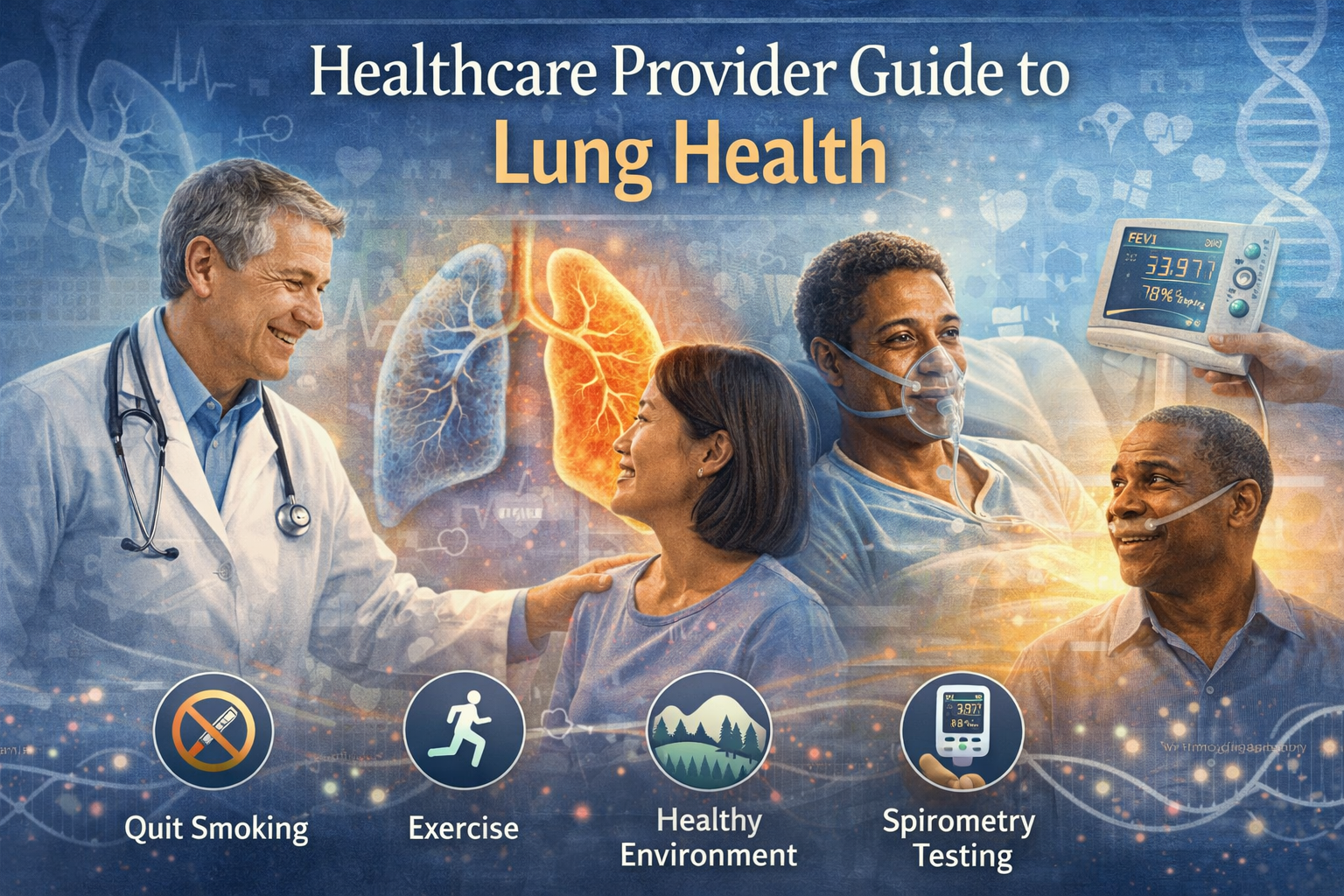
Lung health is often taken for granted until it is compromised, yet it is one of the most critical components of overall well-being. Every breath sustains life, delivering oxygen to the bloodstream and removing carbon dioxide, a process that supports every organ system in the body. Despite this essential role, lung health is frequently overlooked in routine health discussions, overshadowed by more visible conditions. However, when breathing becomes difficult or compromised, the importance of healthy lungs becomes immediately apparent.
The lungs are complex organs that work in coordination with the heart, blood vessels, and nervous system. This intricate relationship means that even minor disruptions can have widespread effects. A slight reduction in lung function can lead to fatigue, reduced physical performance, and decreased quality of life. More severe impairments can result in chronic conditions that require ongoing medical management.
Primary care doctors and general physicians play a central role in maintaining lung health. Their expertise allows them to identify early signs of respiratory issues, provide accurate diagnoses, and develop treatment plans that address both immediate concerns and long-term health goals. In a healthcare landscape where patients often rely on fragmented information, the guidance of a trusted physician provides clarity and direction.
The Hidden Complexity of Respiratory Health
Respiratory health is influenced by a wide range of factors, many of which are not immediately visible. Environmental exposure, lifestyle habits, genetic predisposition, and underlying health conditions all contribute to lung function. This complexity makes it difficult for individuals to assess their own respiratory health without professional evaluation.
Common symptoms such as shortness of breath, persistent cough, or chest discomfort may appear straightforward, but they can have multiple underlying causes. A cough, for example, may result from a minor irritation, a viral infection, or a more serious condition affecting the lungs or airways. Similarly, shortness of breath may be linked to respiratory issues, cardiovascular conditions, or even metabolic imbalances.
Understanding these nuances requires a comprehensive approach. Primary care doctors evaluate symptoms within the broader context of a patient’s health, considering factors such as medical history, lifestyle, and environmental exposure. This holistic perspective ensures that diagnoses are accurate and that treatment plans address the root cause of the problem rather than just the symptoms.
Early Warning Signs and the Importance of Timely Evaluation
One of the most critical aspects of lung health is recognizing early warning signs. Symptoms that may seem minor or temporary can sometimes indicate underlying issues that require medical attention. Persistent coughing, wheezing, or difficulty breathing should never be ignored, as they may signal conditions that can worsen over time if left untreated.
The progression of respiratory symptoms can be gradual, making it easy to overlook changes in breathing patterns. Patients may adapt to mild discomfort, assuming it is a normal part of aging or daily life. However, this adaptation can delay diagnosis and treatment, allowing conditions to develop unchecked.
The importance of recognizing these signs is explored in Breathing Problems Explained: Warning Signs You Should Never Ignore and When to Seek Immediate Medical Attention from a Primary Care Doctor, where the need for early intervention is emphasized. By understanding these warning signs, patients can take proactive steps to protect their lung health and prevent complications.
Primary care doctors play a crucial role in this process, providing timely evaluation and guidance. Their ability to identify subtle changes in respiratory function allows for early intervention, improving outcomes and reducing the risk of long-term damage.
The Role of General Physicians in Maintaining Lung Health
General physicians serve as the first line of defense in respiratory health, offering a level of care that is both comprehensive and accessible. Their training equips them to manage a wide range of conditions, from acute respiratory infections to chronic lung diseases. This versatility makes them an essential part of the healthcare system.
When a patient presents with respiratory symptoms, a general physician conducts a thorough evaluation that includes a detailed medical history and physical examination. This process is designed to identify potential causes and determine the most appropriate course of action. In many cases, additional tests may be required to confirm a diagnosis and guide treatment.
Treatment plans are tailored to the individual, taking into account the severity of the condition, the patient’s overall health, and any underlying risk factors. This personalized approach ensures that care is both effective and sustainable, addressing immediate symptoms while supporting long-term health.
Continuity of care is another key advantage of working with a primary care doctor. By maintaining an ongoing relationship with their patients, physicians can monitor changes over time and adjust treatment plans as needed. This consistency enhances the quality of care and supports better health outcomes.
The Connection Between Lung Health and Cardiovascular Function
The relationship between lung health and cardiovascular function is both intricate and significant. The lungs and heart work together to circulate oxygen throughout the body, and a disruption in one system can have a direct impact on the other. This interdependence highlights the importance of a holistic approach to health.
Conditions such as high cholesterol and hypertension can influence lung function by affecting blood flow and oxygen delivery. Conversely, respiratory issues can place additional strain on the cardiovascular system, creating a cycle that can exacerbate both conditions. Understanding this connection is essential for effective management.
Insights into cardiovascular health are explored in Cholesterol Control Tips from a General Physician: A Complete Guide to Managing High Cholesterol and Protecting Long-Term Heart Health, where the broader implications of these interconnected systems are examined. By addressing both lung and heart health, primary care doctors provide a more comprehensive approach to patient care.
Preventive Care as a Cornerstone of Respiratory Wellness
Preventive care is one of the most effective strategies for maintaining lung health. By addressing risk factors before they lead to illness, patients can reduce their likelihood of developing respiratory conditions and improve their overall quality of life. This proactive approach is central to primary care.
Regular checkups provide an opportunity to monitor lung function and identify potential issues early. These visits also allow doctors to assess lifestyle factors that may impact respiratory health, such as smoking, physical activity, and exposure to environmental pollutants. By addressing these factors, patients can make informed decisions that support long-term wellness.
Vaccinations play a critical role in preventing respiratory infections, particularly during seasonal outbreaks. By protecting against common illnesses, patients can reduce the strain on their lungs and avoid complications that may arise from untreated infections.
Education is another key component of preventive care. Understanding how to recognize symptoms, avoid triggers, and maintain healthy habits empowers patients to take an active role in their health. This knowledge, combined with professional guidance, creates a strong foundation for respiratory wellness.
The Risks of Ignoring Lung Health
Ignoring lung health can have serious consequences, particularly when symptoms are dismissed or left untreated. Respiratory conditions can progress over time, leading to reduced lung function and increased risk of complications. In some cases, the effects may be irreversible, underscoring the importance of early intervention.
The absence of symptoms does not always indicate the absence of disease. Many respiratory conditions develop gradually, with subtle changes that may go unnoticed. Regular medical evaluation is essential for detecting these changes and initiating appropriate treatment.
Primary care doctors provide the expertise needed to navigate these challenges, offering accurate diagnosis and effective treatment. Their ability to identify early signs of disease ensures that patients receive timely care, reducing the risk of long-term damage.
Building a Strong Doctor-Patient Relationship
The relationship between a patient and their primary care doctor is a cornerstone of effective healthcare. This relationship is built on trust, communication, and a shared commitment to health. It provides a foundation for ongoing care and supports better outcomes.
A strong doctor-patient relationship allows for more personalized care, as physicians gain a deeper understanding of their patients’ health over time. This familiarity enables more accurate diagnoses and more effective treatment plans. It also encourages patients to seek care early, reducing the risk of complications.
Trust is particularly important in managing respiratory health, where symptoms can be both concerning and unpredictable. Patients need to feel confident that their concerns are being taken seriously and that they are receiving reliable guidance. Primary care doctors provide this reassurance, fostering a sense of confidence and security.
Prioritizing Lung Health Through Expert Care
Lung health is a vital component of overall well-being, influencing everything from physical performance to long-term health outcomes. Maintaining healthy lungs requires more than occasional attention; it requires a consistent, informed approach guided by medical expertise.
Primary care doctors and general physicians play a central role in this process, offering comprehensive care that addresses both immediate concerns and long-term health goals. From early detection and preventive care to diagnosis and treatment, their expertise ensures that patients receive the support they need at every stage of life.
In a world where health information is abundant but often fragmented, the guidance of a trusted physician provides clarity and confidence. By prioritizing lung health and seeking professional care when needed, patients can protect their well-being and enjoy a higher quality of life.
