


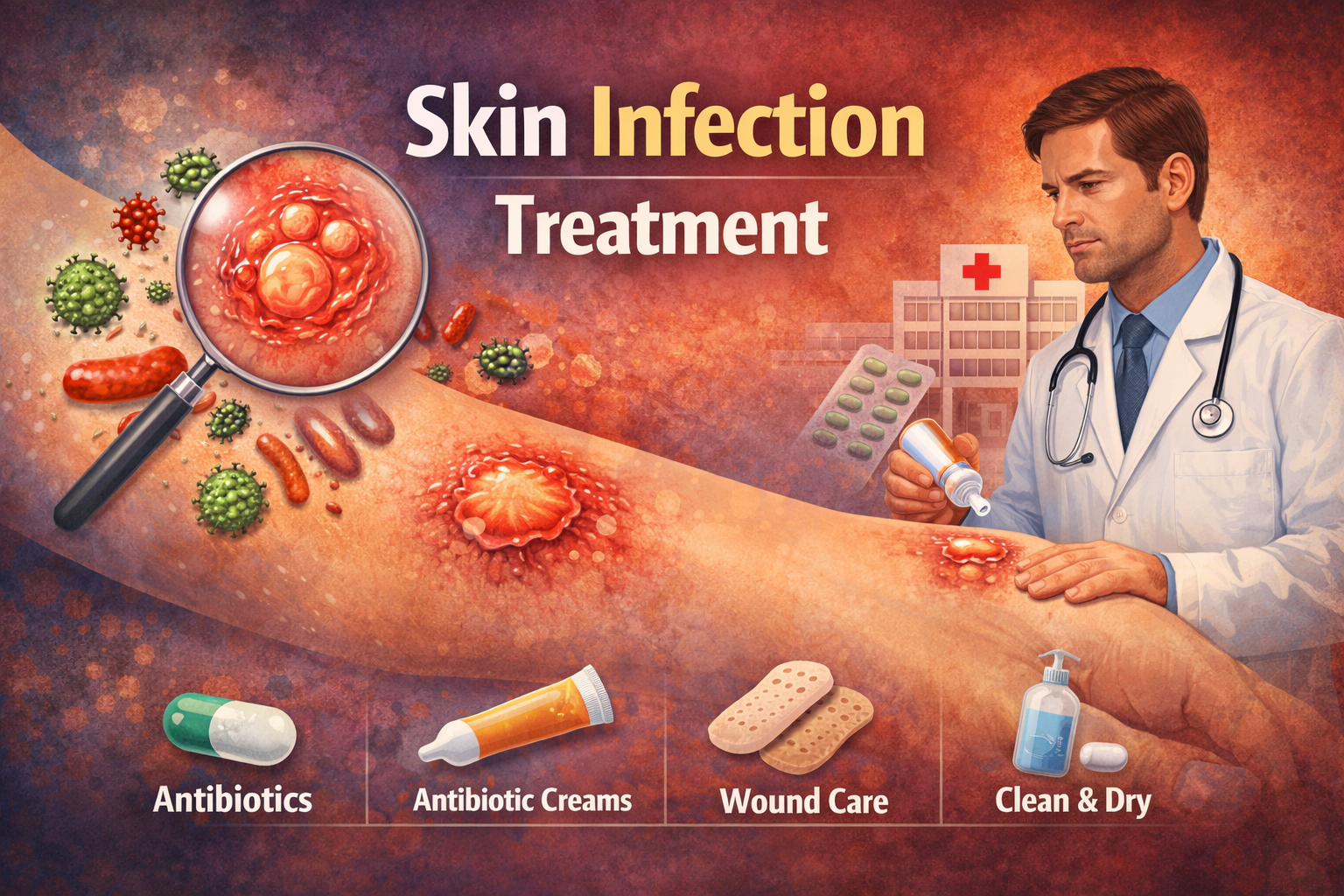
The skin is the body’s largest organ and serves as the first line of defense against the external environment. It protects against bacteria, viruses, fungi, and other harmful agents while helping regulate temperature and maintain overall balance. Despite its resilience, the skin is not immune to infection. When its protective barrier is compromised, even slightly, it becomes vulnerable to a wide range of conditions that can affect both appearance and health.
Skin infections are among the most common reasons patients seek medical attention, yet they are often underestimated. What may begin as a minor irritation or small lesion can develop into a more serious condition if not properly addressed. The visible nature of skin infections often leads individuals to attempt self-treatment, relying on over-the-counter remedies or home solutions. While these approaches may provide temporary relief, they rarely address the underlying cause.
This is where the expertise of a primary care doctor becomes essential. A general physician approaches skin infections with a clinical understanding that goes beyond surface symptoms. By evaluating the type of infection, its progression, and the patient’s overall health, doctors provide targeted treatment that ensures both effective recovery and prevention of recurrence.
The Different Types of Skin Infections and Why They Matter
Skin infections can be caused by bacteria, viruses, fungi, or parasites, each presenting with distinct characteristics. The diversity of these infections is one of the reasons they are often misunderstood. Similar-looking symptoms may have entirely different causes, requiring different treatment approaches.
Bacterial infections, for example, often present with redness, swelling, and warmth, sometimes accompanied by pain or discharge. Viral infections may cause blisters or rashes, while fungal infections often appear as itchy, scaly patches. These variations highlight the importance of accurate diagnosis, as incorrect treatment can lead to worsening symptoms or prolonged recovery.
The complexity of skin infections is further compounded by their ability to spread. Some infections remain localized, while others can extend to surrounding areas or even enter the bloodstream in severe cases. This potential for progression underscores the importance of early intervention and professional care.
A primary care doctor evaluates these infections within the broader context of the patient’s health, considering factors such as immune function, underlying conditions, and environmental exposure. This comprehensive approach ensures that treatment is both effective and appropriate.
Recognizing Warning Signs That Require Medical Attention
While some skin infections may appear mild, certain signs indicate the need for immediate medical attention. Rapidly spreading redness, increasing pain, or the presence of fever are all indicators that the infection may be more serious than it initially appears. Ignoring these signs can lead to complications that require more intensive treatment.
Changes in the appearance of the skin, such as discoloration, swelling, or the formation of abscesses, should also be taken seriously. These changes often reflect the body’s response to infection and may indicate that the condition is progressing. A primary care doctor is trained to recognize these patterns and determine the appropriate course of action.
The importance of recognizing warning signs is not limited to skin conditions alone. It is a principle that applies across all areas of health, as explored in Stomach Pain Explained: Causes, Warning Signs, and When to See a Doctor, where the significance of early detection is emphasized. By understanding these warning signs, patients can take proactive steps to protect their health.
The Role of Primary Care Doctors in Diagnosis and Treatment
Primary care doctors play a central role in the management of skin infections, offering a level of care that is both accessible and comprehensive. Their approach begins with a detailed evaluation of the affected area, including an assessment of symptoms, duration, and progression. This process allows them to identify the type of infection and determine the most appropriate treatment.
Diagnosis often involves more than visual inspection. In some cases, additional tests may be required to confirm the cause of the infection and guide treatment. These tests provide valuable insights, ensuring that therapy is targeted and effective.
Treatment plans are tailored to the individual, reflecting the complexity of skin infections. While some conditions may respond to topical treatments, others may require oral medications or more advanced interventions. A primary care doctor monitors progress over time, making adjustments as needed to ensure optimal outcomes.
This personalized approach is a hallmark of primary care, emphasizing both immediate relief and long-term health. By addressing the underlying cause of the infection, doctors help prevent recurrence and support overall well-being.
The Connection Between Skin Health and Overall Wellness
Skin health is closely linked to overall wellness, serving as an indicator of internal balance. Changes in the skin often reflect underlying conditions, making it an important diagnostic tool. For example, infections may be more frequent or severe in individuals with weakened immune systems or chronic health conditions.
The relationship between different systems in the body highlights the importance of a holistic approach to healthcare. Respiratory health, for instance, can influence immune function, affecting the body’s ability to fight infections. This connection is explored in Comprehensive Healthcare Provider Guide to Lung Health and Better Breathing, where the interplay between systems is examined in detail.
Similarly, digestive health can impact the body’s ability to absorb nutrients, which in turn affects skin health. Conditions such as acid reflux and other digestive issues can influence overall well-being, as discussed in Acid Reflux Explained: Warning Signs, Causes, and When to See a Primary Care Doctor. By understanding these connections, primary care doctors provide a more comprehensive approach to treatment.
Avoiding the Risks of Self-Diagnosis and Improper Treatment
In the age of digital information, many patients attempt to diagnose and treat skin infections on their own. While this approach may seem convenient, it carries significant risks. Misidentifying the type of infection can lead to inappropriate treatment, allowing the condition to worsen.
Over-the-counter treatments may provide temporary relief but often fail to address the root cause of the infection. This can result in recurring symptoms or prolonged recovery. In some cases, improper treatment may even contribute to resistance, making future infections more difficult to manage.
Primary care doctors eliminate this uncertainty by providing accurate diagnosis and evidence-based treatment. Their expertise ensures that patients receive the care they need, reducing the risk of complications and promoting faster recovery.
The Importance of Preventive Care in Skin Health
Preventive care is a key component of maintaining healthy skin and reducing the risk of infections. By addressing risk factors early, patients can minimize their exposure to harmful agents and strengthen their body’s natural defenses.
Good hygiene, proper wound care, and a healthy lifestyle all contribute to skin health. A primary care doctor provides guidance on these practices, tailoring recommendations to the individual’s needs and circumstances. This proactive approach helps prevent infections before they occur.
Regular checkups also play a crucial role in prevention, allowing doctors to identify potential issues early and address them promptly. By maintaining consistent medical care, patients can protect their skin and overall health.
Building Trust Through Consistent Medical Care
The relationship between a patient and their primary care doctor is a cornerstone of effective healthcare. This relationship is built on trust, communication, and a shared commitment to health. It provides a foundation for ongoing care and supports better outcomes.
Consistency in care allows doctors to develop a deeper understanding of their patients’ health, enabling more accurate diagnoses and more effective treatment plans. This familiarity is particularly valuable when managing conditions such as skin infections, where subtle changes can provide important clues.
Trust also encourages patients to seek care early, reducing the risk of complications. By fostering a supportive and collaborative environment, primary care doctors help patients navigate their health with confidence.
Taking Skin Infections Seriously for Better Health
Skin infections may appear minor at first glance, but their potential impact on health should not be underestimated. Understanding their causes, recognizing warning signs, and seeking professional care are essential steps in ensuring effective treatment and preventing complications.
Primary care doctors provide the expertise needed to address these conditions comprehensively, offering accurate diagnosis, personalized treatment, and ongoing support. Their role extends beyond symptom management, encompassing preventive care and long-term health strategies.
In a world where health information is abundant but often overwhelming, the guidance of a trusted physician remains invaluable. By taking skin infections seriously and seeking medical care when needed, patients can protect their health, achieve faster recovery, and maintain overall well-being.
