


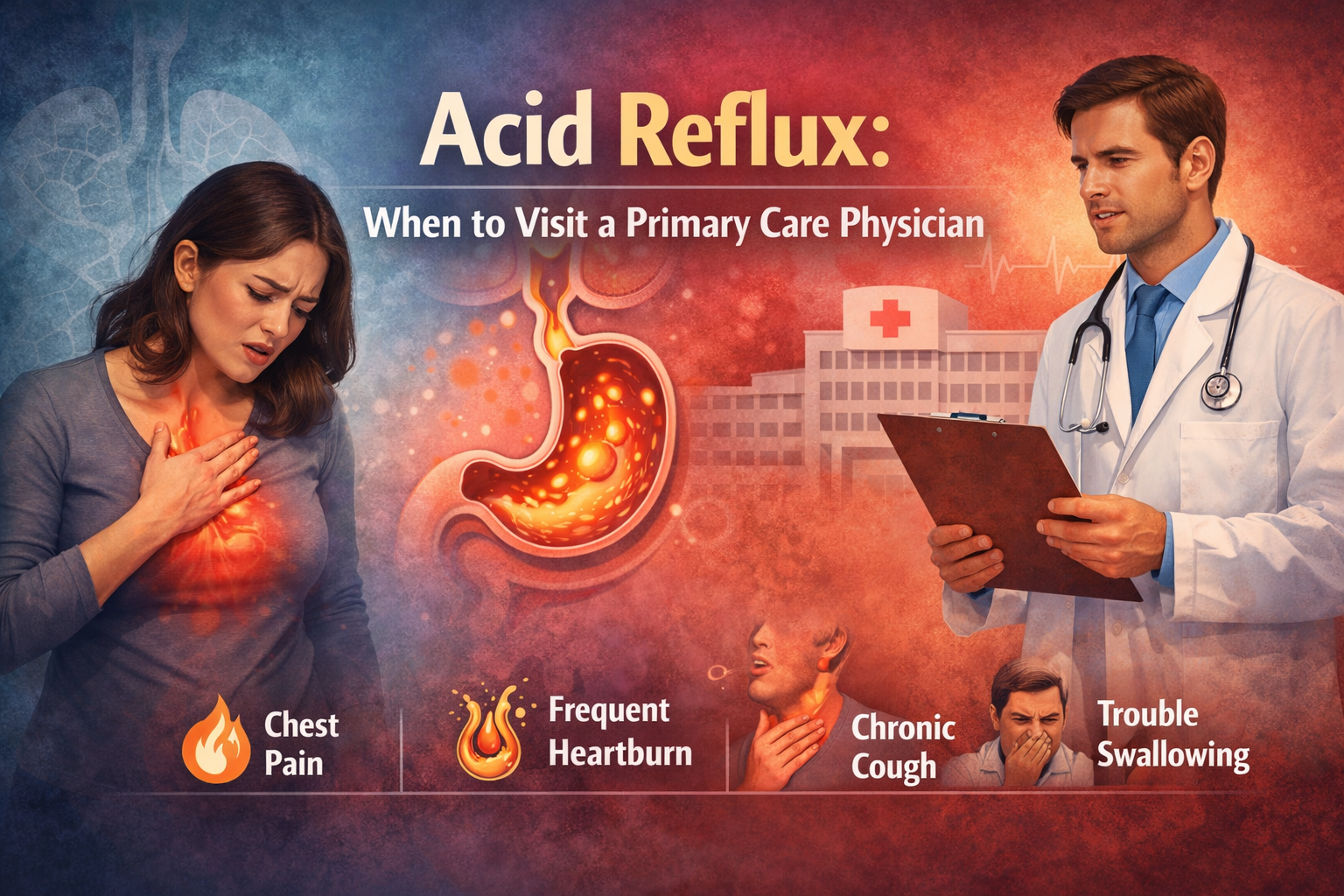
Acid reflux is one of the most widespread digestive conditions, affecting millions of individuals across different age groups and lifestyles. Despite its prevalence, it is often underestimated, dismissed as a minor inconvenience rather than a condition that can significantly impact quality of life. The sensation of burning in the chest, commonly referred to as heartburn, is the most recognizable symptom, yet it represents only a fraction of the broader clinical picture.
At its core, acid reflux occurs when stomach acid flows back into the esophagus, the tube that connects the mouth to the stomach. This backward movement disrupts the natural digestive process and irritates the lining of the esophagus, leading to discomfort and inflammation. While occasional reflux may be triggered by specific foods or temporary factors, frequent episodes can indicate a more persistent condition that requires medical attention.
What makes acid reflux particularly complex is its ability to mimic or overlap with other conditions. Chest discomfort, for instance, may be mistaken for cardiac issues, while persistent throat irritation can resemble respiratory problems. This overlap creates uncertainty for patients, making it difficult to determine when symptoms are harmless and when they warrant professional evaluation.
Primary care doctors play a crucial role in addressing this uncertainty. By evaluating symptoms within the context of a patient’s overall health, they provide clarity and ensure that appropriate steps are taken to manage the condition effectively.
The Causes Behind Acid Reflux and Why They Matter
The causes of acid reflux are multifaceted, often involving a combination of lifestyle factors, dietary habits, and physiological changes. At the center of this condition is the lower esophageal sphincter, a muscular ring that acts as a barrier between the stomach and the esophagus. When this barrier weakens or relaxes inappropriately, stomach acid is able to flow upward, causing irritation.
Certain foods and beverages are known to trigger reflux by relaxing this muscle or increasing acid production. However, diet is only one piece of the puzzle. Factors such as obesity, stress, smoking, and even posture can influence the frequency and severity of symptoms. Hormonal changes and underlying medical conditions may also contribute, further complicating the picture.
Understanding these causes is essential for effective management. A primary care doctor does not simply identify triggers but examines how they interact with the patient’s overall health. This comprehensive approach allows for the development of treatment strategies that address both immediate symptoms and long-term risk factors.
The connection between digestive health and other bodily systems is also significant. Conditions affecting the lungs or cardiovascular system can influence or be influenced by acid reflux, highlighting the importance of a holistic perspective. This broader view ensures that treatment plans are aligned with the patient’s overall well-being.
Recognizing Symptoms That Should Not Be Ignored
While heartburn is the most common symptom of acid reflux, it is far from the only one. Patients may experience a range of symptoms that extend beyond the chest, including a sour taste in the mouth, difficulty swallowing, chronic cough, or a sensation of a lump in the throat. These symptoms can vary in intensity and may not always occur together, making diagnosis challenging without professional evaluation.
One of the most concerning aspects of acid reflux is its potential to cause long-term damage when left untreated. Persistent irritation of the esophagus can lead to inflammation, narrowing, and in some cases, more serious complications. Recognizing early warning signs is therefore critical for preventing progression.
Symptoms that occur frequently, worsen over time, or interfere with daily activities should be taken seriously. Nighttime symptoms, in particular, may indicate a more severe form of the condition, as lying down can exacerbate reflux. A primary care doctor evaluates these patterns, identifying when symptoms move beyond occasional discomfort and require medical intervention.
The importance of recognizing warning signs is explored in Stomach Pain Explained: Causes, Warning Signs, and When to See a Doctor, where the broader implications of digestive symptoms are discussed. By understanding these connections, patients can make more informed decisions about their health.
The Role of Primary Care Doctors in Diagnosis and Treatment
Primary care doctors serve as the first point of contact for patients experiencing acid reflux, offering a level of care that is both accessible and comprehensive. Their approach begins with a detailed evaluation of symptoms, medical history, and lifestyle factors. This process allows them to identify potential causes and determine the most appropriate course of action.
Diagnosis often involves more than a single observation. Doctors consider the frequency, severity, and timing of symptoms, as well as any associated conditions. In some cases, additional tests may be recommended to confirm the diagnosis and assess the extent of the condition.
Treatment is tailored to the individual, reflecting the complexity of acid reflux. For some patients, lifestyle modifications may be sufficient to manage symptoms, while others may require medical intervention. A primary care doctor monitors progress over time, ensuring that treatment remains effective and adjusting strategies as needed.
This personalized approach is a hallmark of primary care, emphasizing not only symptom relief but also long-term health. By addressing the underlying causes of acid reflux, doctors help patients achieve sustainable improvement.
The Connection Between Acid Reflux and Respiratory Health
One of the lesser-known aspects of acid reflux is its impact on respiratory health. When stomach acid reaches the upper esophagus, it can irritate the throat and airways, leading to symptoms such as chronic cough, hoarseness, and even breathing difficulties. This connection highlights the complexity of the condition and the need for comprehensive evaluation.
The relationship between respiratory and digestive health is explored in Comprehensive Healthcare Provider Guide to Lung Health and Better Breathing, where the interplay between these systems is examined in detail. Understanding this connection allows doctors to identify symptoms that may not initially appear related to acid reflux.
Primary care doctors are uniquely positioned to address these overlapping symptoms, ensuring that treatment plans consider all contributing factors. This integrated approach leads to more accurate diagnoses and more effective outcomes.
Avoiding the Risks of Self-Diagnosis
In an age of readily available information, many patients attempt to manage acid reflux on their own, relying on over-the-counter remedies and online advice. While these approaches may provide temporary relief, they often fail to address the underlying causes of the condition.
Self-diagnosis can lead to delayed medical care, allowing symptoms to persist and potentially worsen. What appears to be a simple case of heartburn may, in some cases, indicate a more serious issue requiring professional evaluation. Without proper diagnosis, patients may overlook warning signs and miss opportunities for early intervention.
Primary care doctors provide the expertise needed to navigate this complexity, offering accurate diagnosis and evidence-based treatment. Their guidance ensures that patients receive appropriate care and reduces the risk of complications.
The Importance of Preventive Care and Lifestyle Management
Preventive care is a key component of managing acid reflux and maintaining overall digestive health. By addressing risk factors early, patients can reduce the frequency and severity of symptoms and improve their quality of life.
Lifestyle modifications play a significant role in this process. Factors such as diet, physical activity, and stress management all influence digestive function. A primary care doctor works with patients to develop strategies that are both practical and effective, ensuring that changes can be sustained over time.
Education is also essential, empowering patients to recognize triggers and respond appropriately. This proactive approach enhances long-term health and reduces the likelihood of complications.
Building Trust Through Consistent Medical Care
The relationship between a patient and their primary care doctor is a cornerstone of effective healthcare. This relationship is built on trust, communication, and a shared commitment to health. It provides a foundation for ongoing care and supports better outcomes.
Consistency in care allows doctors to develop a deeper understanding of their patients’ health, enabling more accurate diagnoses and more effective treatment plans. This familiarity is particularly valuable when managing conditions such as acid reflux, where symptoms can vary over time.
Trust also encourages patients to seek care early, reducing the risk of complications. By fostering a supportive and collaborative environment, primary care doctors help patients navigate their health with confidence.
Taking Acid Reflux Seriously for Better Health
Acid reflux may be common, but its impact on health can be significant when left unmanaged. Understanding the causes, recognizing warning signs, and seeking professional care are essential steps in maintaining digestive health and overall well-being.
Primary care doctors provide the expertise needed to address this condition effectively, offering accurate diagnosis, personalized treatment, and ongoing support. Their role extends beyond symptom management, encompassing preventive care and long-term health strategies.
In a world where health information is abundant but often overwhelming, the guidance of a trusted physician remains invaluable. By taking acid reflux seriously and seeking professional care when needed, patients can protect their health, prevent complications, and achieve a better quality of life.
