


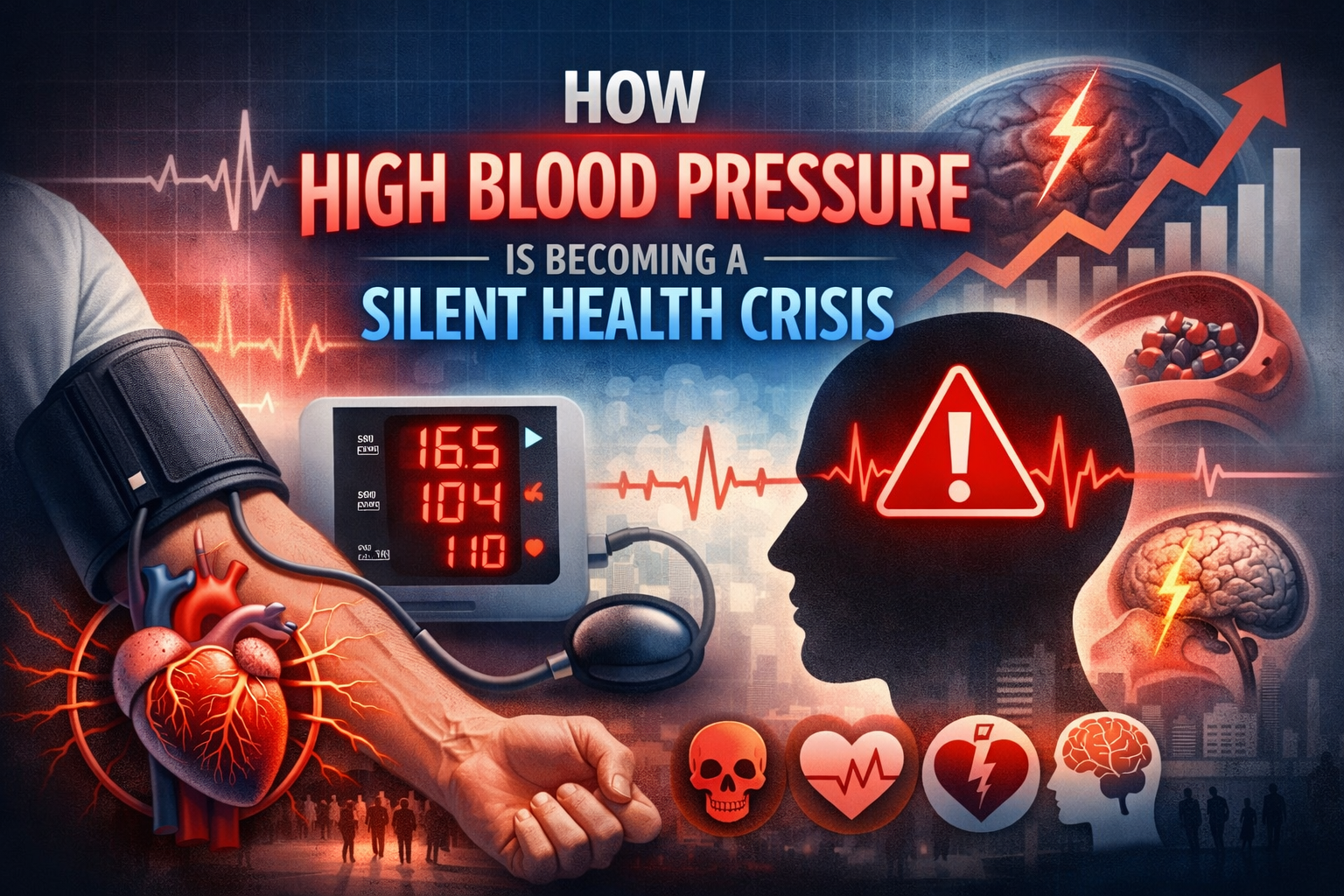
Across healthcare systems worldwide, physicians are increasingly raising concerns about a growing yet often overlooked health problem: high blood pressure. Known medically as hypertension, this condition has quietly become one of the most widespread chronic health issues affecting adults. Unlike many illnesses that produce noticeable symptoms early on, high blood pressure often develops without warning, allowing it to progress unnoticed for years while silently damaging vital organs.
Doctors frequently describe hypertension as a “silent killer” because many people living with the condition feel completely normal. They go about their daily lives unaware that the pressure exerted by blood against the walls of their arteries has reached dangerous levels. During this time, the cardiovascular system may be under immense strain, gradually increasing the risk of heart disease, stroke, kidney failure, and other serious complications.
General physicians and primary care doctors are often the first to detect high blood pressure during routine checkups. A simple blood pressure reading can reveal crucial insights into a person’s cardiovascular health. For many patients, this routine measurement becomes the moment when a hidden health threat is finally identified.
Healthcare experts emphasize that the rising prevalence of hypertension reflects broader changes in modern lifestyles. Sedentary routines, high-sodium diets, chronic stress, and insufficient sleep all contribute to elevated blood pressure levels. As societies become more urbanized and fast-paced, these risk factors are becoming increasingly common.
Doctors stress that the true danger of high blood pressure lies not only in its widespread occurrence but also in the lack of awareness surrounding it. Millions of adults live with hypertension without realizing it. Without proper diagnosis and treatment, the condition can gradually damage arteries and organs, eventually leading to life-threatening complications.
Medical professionals consistently emphasize the importance of early detection. Identifying hypertension in its early stages allows physicians to guide patients toward effective treatment strategies that protect long-term health. The relationship between high blood pressure and cardiovascular disease is particularly significant. Persistent hypertension can weaken blood vessels and increase the likelihood of heart attacks and strokes. The life-saving impact of early cardiovascular screening is discussed in Why Doctors Say Early Detection of Heart Disease Can Save Lives, where physicians explain how proactive medical care can dramatically improve health outcomes.
The growing concern among doctors is clear. High blood pressure is no longer simply an individual health issue but a widespread public health challenge. By raising awareness and encouraging regular medical evaluations, physicians hope to prevent millions of avoidable health crises in the years ahead.
Understanding High Blood Pressure and How It Affects the Body
High blood pressure occurs when the force of blood pushing against artery walls becomes consistently elevated. Blood pressure naturally rises and falls throughout the day depending on activity levels, stress, and other factors. However, when the pressure remains high over time, it can cause significant strain on the cardiovascular system.
Blood pressure is measured using two numbers: systolic pressure and diastolic pressure. The systolic number represents the pressure exerted when the heart contracts and pumps blood through the arteries. The diastolic number reflects the pressure in the arteries when the heart relaxes between beats. Together, these numbers provide physicians with a snapshot of how hard the heart is working to circulate blood.
When blood pressure levels remain elevated for prolonged periods, the arteries begin to experience structural changes. The walls of blood vessels may become thicker and less flexible, making it harder for blood to flow smoothly. This increased resistance forces the heart to work harder, gradually placing strain on the heart muscle.
Over time, this strain can lead to serious health complications. The heart may enlarge or weaken, increasing the risk of heart failure. Blood vessels in the brain may become more vulnerable to rupture or blockage, potentially leading to stroke. The kidneys, which rely on delicate networks of blood vessels to filter waste from the bloodstream, may also suffer damage.
What makes hypertension particularly dangerous is that these changes often occur slowly and silently. A person may feel perfectly healthy while the condition progresses unnoticed. By the time symptoms appear, significant damage may already have occurred.
This is why doctors emphasize the importance of routine blood pressure monitoring. A simple measurement taken during a routine medical visit can reveal early signs of hypertension and allow physicians to intervene before complications develop.
Why Doctors Call Hypertension a Silent Health Crisis
Medical professionals increasingly describe hypertension as a silent health crisis because of the vast number of people affected and the lack of awareness surrounding the condition. In many cases, individuals do not discover they have high blood pressure until they experience a serious health event such as a heart attack or stroke.
Doctors report that many patients are surprised when they receive a diagnosis of hypertension because they have not experienced any noticeable symptoms. This lack of symptoms can create a false sense of security, leading individuals to underestimate the importance of regular health screenings.
The silent nature of hypertension makes early detection one of the most critical tools in modern medicine. When physicians identify elevated blood pressure levels early, they can begin implementing strategies to reduce cardiovascular risk.
These strategies often include lifestyle modifications, medication, and ongoing monitoring. Through these interventions, doctors can help patients bring their blood pressure under control and significantly reduce the likelihood of long-term complications.
The growing prevalence of hypertension is also closely connected with other chronic conditions that physicians frequently treat. For example, metabolic disorders such as Type 2 diabetes can increase the risk of developing high blood pressure. Insulin resistance and metabolic imbalance can affect the body’s ability to regulate blood pressure effectively.
The relationship between metabolic health and cardiovascular disease is explored further in The Rising Concern Over Type 2 Diabetes and What Physicians Want Adults to Know, where doctors discuss how metabolic conditions can influence long-term health risks.
By recognizing the connections between these chronic conditions, physicians are better able to develop comprehensive treatment plans that address multiple risk factors simultaneously.
The Essential Role of General Physicians in Detecting Hypertension
General physicians serve as the front line in the battle against hypertension. Unlike specialists who often treat specific conditions, primary care doctors monitor the overall health of their patients over extended periods.
During routine medical visits, physicians assess a wide range of indicators that influence cardiovascular health. Blood pressure readings are among the most important measurements taken during these evaluations.
Because general physicians often maintain long-term relationships with their patients, they are able to observe gradual changes in blood pressure levels over time. This continuity of care allows them to identify trends that might otherwise go unnoticed.
Primary care doctors also evaluate lifestyle factors that influence blood pressure. Diet, physical activity levels, stress patterns, and sleep habits all play a role in cardiovascular health. By discussing these factors with patients, physicians can identify behaviors that may contribute to hypertension.
Equally important is the trust that develops between patients and their doctors. When individuals feel comfortable discussing their health openly, physicians gain valuable insights that help guide treatment decisions.
Through routine monitoring, early diagnosis, and patient education, general physicians play a central role in preventing hypertension from progressing into more serious health conditions.
Lifestyle Factors Driving the Rise of Hypertension
Doctors often point to modern lifestyle patterns as a major contributor to rising blood pressure levels. While genetics can influence an individual’s susceptibility to hypertension, environmental and behavioral factors frequently determine whether the condition develops.
One of the most significant contributors is diet. Many modern diets contain high levels of sodium, processed foods, and unhealthy fats. Excess sodium can cause the body to retain fluid, increasing blood volume and raising blood pressure.
Physical inactivity also plays a major role. When individuals spend long hours sitting and engage in minimal physical activity, their cardiovascular systems may become less efficient at regulating blood flow and pressure.
Chronic stress is another factor physicians frequently observe among patients with hypertension. Stress hormones can temporarily elevate blood pressure, and prolonged stress may contribute to sustained hypertension.
Sleep patterns are also closely connected with blood pressure regulation. Inadequate or disrupted sleep can interfere with the body’s hormonal balance, increasing the risk of hypertension.
Doctors emphasize that while these factors are common in modern life, they are also modifiable. Through informed lifestyle choices and medical guidance, individuals can significantly reduce their risk of developing high blood pressure.
Symptoms That Should Never Be Ignored
Although hypertension is often asymptomatic, certain warning signs may indicate that blood pressure levels have reached dangerous levels.
Persistent headaches, dizziness, blurred vision, and chest discomfort can sometimes occur when blood pressure becomes extremely high. Some individuals may experience shortness of breath or fatigue.
However, doctors caution that relying on symptoms alone is not an effective way to detect hypertension. Many people with dangerously high blood pressure experience no symptoms at all.
This is why physicians consistently recommend routine blood pressure screenings, even for individuals who feel healthy. Regular monitoring ensures that changes in blood pressure are identified early.
How Physicians Diagnose and Monitor High Blood Pressure
Diagnosing hypertension is relatively straightforward. Physicians measure blood pressure using a cuff that temporarily restricts blood flow in the arm while a monitor records the pressure within the arteries.
However, a single reading does not necessarily confirm a diagnosis. Blood pressure can fluctuate throughout the day due to activity levels, emotional stress, and other factors.
For this reason, doctors typically take multiple readings over time before diagnosing hypertension. In some cases, patients may be asked to monitor their blood pressure at home using portable devices.
This approach provides physicians with a more accurate picture of how blood pressure behaves under normal daily conditions.
Once hypertension is diagnosed, doctors work closely with patients to develop treatment plans tailored to their individual health profiles.
Treatment Strategies Doctors Use to Control Hypertension
Treatment for hypertension often begins with lifestyle adjustments. Physicians frequently recommend dietary improvements, increased physical activity, stress management, and weight control.
For some patients, lifestyle changes alone may be sufficient to bring blood pressure levels into a healthy range.
However, when blood pressure remains elevated despite lifestyle modifications, doctors may prescribe medications designed to relax blood vessels, reduce fluid retention, or slow the heart rate.
Regular follow-up visits allow physicians to monitor how well these treatments are working and adjust therapy as needed.
Preventing the Long-Term Consequences of Hypertension
The ultimate goal of hypertension management is preventing the serious complications associated with uncontrolled blood pressure.
Persistent hypertension can damage arteries throughout the body, increasing the risk of heart attack, stroke, kidney disease, and vision problems.
By controlling blood pressure early, physicians can significantly reduce the likelihood of these outcomes.
Doctors emphasize that hypertension is a manageable condition when diagnosed early and treated consistently.
The Future of Hypertension Awareness and Prevention
Healthcare systems around the world are working to increase public awareness of hypertension and encourage more adults to undergo routine health screenings.
Technological advancements such as wearable health devices and remote monitoring systems are making it easier for patients and physicians to track blood pressure over time.
Telemedicine has also expanded access to healthcare, allowing patients to consult with physicians without traveling to clinics.
These innovations are helping doctors detect hypertension earlier and provide more personalized care.
Why Doctors Urge Adults to Take High Blood Pressure Seriously
High blood pressure has quietly become one of the most significant health challenges of modern times. Its silent progression and widespread prevalence make it a serious concern for physicians and public health experts alike.
Yet doctors remain optimistic that with greater awareness and proactive healthcare, many cases of hypertension can be detected early and managed effectively.
General physicians play a central role in this effort. Through routine checkups, patient education, and long-term care, they help individuals understand their health risks and take steps to protect their cardiovascular health.
The message doctors continue to share is clear: high blood pressure may be silent, but it should never be ignored. Regular medical care, early detection, and informed lifestyle choices can make the difference between long-term health and a preventable health crisis.
