


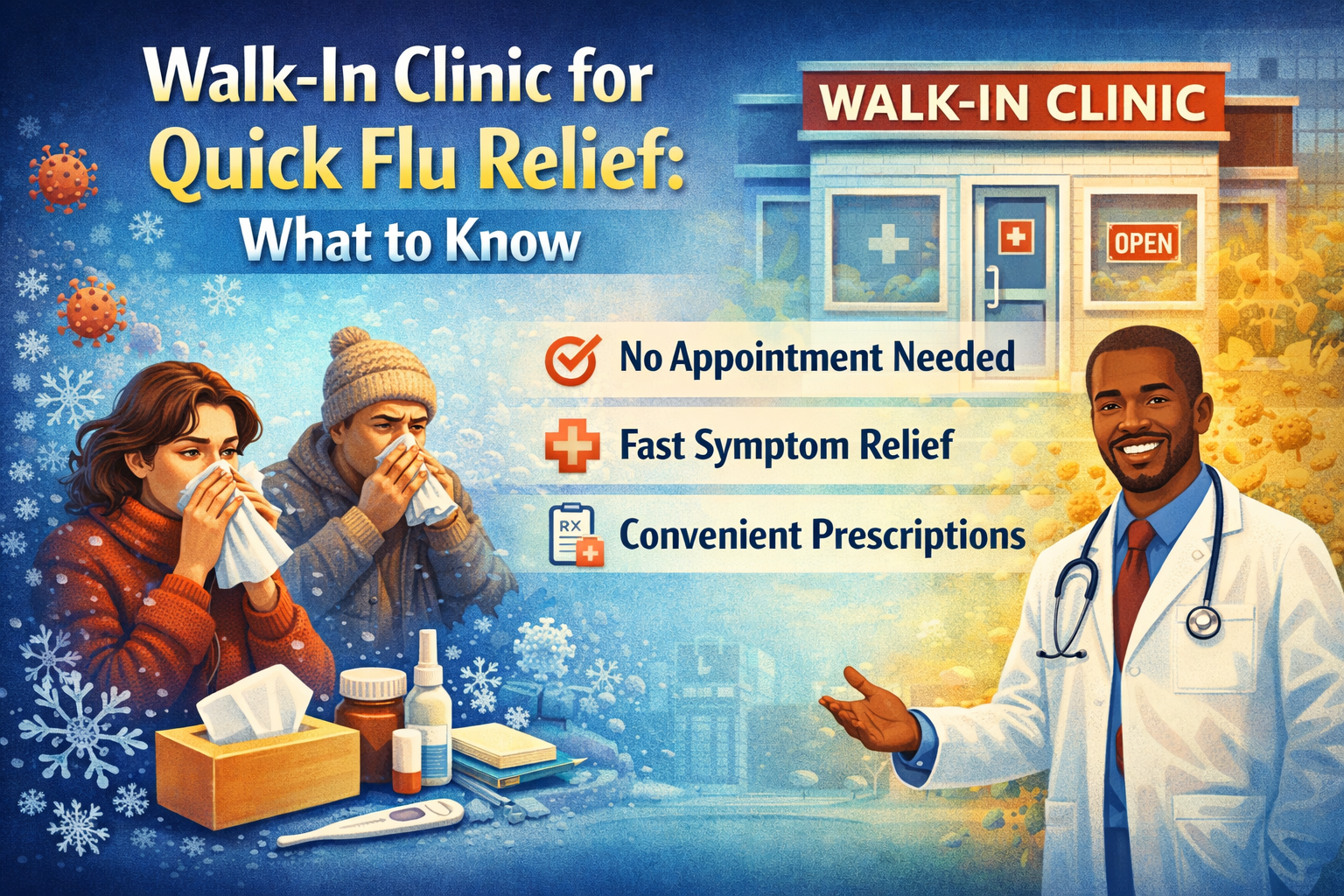
Each year, flu season arrives with a familiar sense of urgency, bringing waves of illness that affect individuals, families, and entire communities. What begins as mild fatigue or a sore throat can quickly escalate into high fever, body aches, and overwhelming exhaustion. In these moments, patients are often faced with a critical decision: wait it out at home or seek immediate medical attention. This is where walk-in clinics, guided by experienced primary care doctors, become an essential part of modern healthcare.
The demand for accessible and timely care has grown significantly, driven by fast-paced lifestyles and the need for quick medical solutions. Patients no longer want to wait days for an appointment when symptoms are worsening by the hour. Walk-in clinics address this need by offering immediate access to care without compromising on quality. However, the true value of these clinics lies not just in their convenience but in the expertise of the general physicians who provide treatment.
Flu is not a condition that should be underestimated. While many cases resolve with rest and supportive care, others can lead to complications that require prompt medical intervention. Understanding when and where to seek care is critical, and a walk-in clinic staffed by qualified doctors offers the perfect balance between speed and reliability.
Understanding Flu Symptoms and Their Progression
Influenza is a viral infection that affects the respiratory system, often presenting with a sudden onset of symptoms. Unlike the common cold, which develops gradually, flu symptoms tend to appear abruptly and can be significantly more intense. Patients may experience high fever, chills, muscle aches, headaches, and severe fatigue that can interfere with daily activities.
The progression of flu varies from person to person. Some individuals recover within a few days, while others may experience symptoms that persist for a week or longer. In certain cases, complications such as pneumonia or worsening of chronic conditions can occur, making early evaluation and treatment essential.
Recognizing the difference between mild and severe symptoms is not always straightforward. A slight fever may seem manageable, but when combined with persistent cough or difficulty breathing, it can indicate a more serious issue. This is why professional evaluation by a primary care doctor is invaluable. Physicians are trained to assess symptom patterns and identify warning signs that may not be immediately apparent to patients.
A deeper understanding of fever and its implications can be found in Fever Symptoms and When to Visit a Primary Care Doctor, where the nuances of symptom recognition and timely care are explored in detail. By connecting these insights, patients can develop a more comprehensive approach to managing flu symptoms.
The Role of Walk-In Clinics in Modern Healthcare
Walk-in clinics have emerged as a practical solution to the challenges of accessing healthcare quickly. They provide immediate care for non-emergency conditions, allowing patients to receive evaluation and treatment without the need for prior appointments. This accessibility is particularly valuable during flu season, when the demand for medical care increases significantly.
However, the effectiveness of a walk-in clinic depends largely on the expertise of the medical professionals who operate it. A clinic staffed by experienced primary care doctors offers more than just convenience; it delivers comprehensive care that addresses both immediate symptoms and underlying health concerns.
Primary care doctors bring a depth of knowledge and clinical judgment that ensures accurate diagnosis and appropriate treatment. They consider not only the current illness but also the patient’s medical history, risk factors, and overall health. This holistic approach distinguishes a high-quality walk-in clinic from other forms of immediate care.
The integration of walk-in services within a primary care framework also supports continuity of care. Patients can receive immediate treatment while maintaining a long-term relationship with their doctor, ensuring that their health is managed consistently over time.
Why Quick Access to Doctors Matters During Flu Season
Timing is a critical factor in the treatment of influenza. Antiviral medications, when prescribed early, can significantly reduce the severity and duration of symptoms. Delayed treatment, on the other hand, may limit the effectiveness of these interventions and increase the risk of complications.
Walk-in clinics provide the timely access needed to initiate treatment at the optimal stage of illness. Patients experiencing sudden symptoms can seek care immediately, reducing uncertainty and improving outcomes. This prompt response is particularly important for individuals at higher risk, including older adults, young children, and those with underlying health conditions.
The importance of timely care is further emphasized in The Best Medical Clinic Guide for Treating Seasonal Illnesses and Choosing the Right Primary Care Doctor, where the benefits of early diagnosis and intervention are discussed extensively. By understanding these principles, patients can make informed decisions about when to seek medical attention.
Quick access to doctors also alleviates the anxiety associated with illness. Knowing that professional care is readily available provides reassurance and allows patients to focus on recovery rather than uncertainty.
The Expertise of General Physicians in Flu Treatment
General physicians play a central role in the management of flu, combining clinical expertise with practical experience to deliver effective care. Their approach is rooted in a comprehensive understanding of the disease, including its causes, progression, and potential complications.
Diagnosis is the first step in effective treatment. A primary care doctor evaluates symptoms, conducts physical examinations, and, when necessary, orders diagnostic tests to confirm the presence of influenza. This accurate diagnosis ensures that treatment is tailored to the specific condition, avoiding unnecessary or ineffective interventions.
Treatment strategies vary depending on the severity of the illness. For mild cases, supportive care such as rest, hydration, and symptom management may be sufficient. For more severe cases, antiviral medications and additional interventions may be required. A general physician determines the most appropriate course of action based on individual patient needs.
Beyond treatment, doctors also provide guidance on preventing the spread of infection. This includes advice on hygiene practices, isolation measures, and strategies for protecting vulnerable individuals. By addressing both individual and community health, primary care doctors contribute to a broader effort to manage flu outbreaks effectively.
Avoiding the Risks of Self-Diagnosis
In today’s digital age, many patients turn to online resources for health information. While these resources can be helpful, they often lack the specificity and accuracy required for proper diagnosis. Self-diagnosis can lead to misinterpretation of symptoms, inappropriate treatment, and delayed medical care.
Flu symptoms can overlap with those of other conditions, making accurate diagnosis challenging without professional evaluation. What appears to be a simple viral infection may, in some cases, be a more serious condition requiring immediate attention. A primary care doctor provides the expertise needed to differentiate between these possibilities.
Relying on professional care reduces the risk of complications and ensures that patients receive appropriate treatment. It also eliminates the uncertainty associated with self-diagnosis, allowing patients to focus on recovery with confidence.
The Importance of Preventive Care and Long-Term Health
While walk-in clinics are essential for immediate treatment, preventive care remains a cornerstone of long-term health. Vaccinations, regular checkups, and healthy lifestyle choices all contribute to reducing the risk of flu and other seasonal illnesses.
Primary care doctors play a key role in preventive care, offering personalized recommendations based on individual health profiles. By addressing risk factors and promoting healthy habits, they help patients build resilience against illness.
The relationship between prevention and treatment is particularly evident during flu season. Patients who engage in preventive care are better equipped to manage symptoms and recover more quickly when illness occurs. This proactive approach enhances overall health and reduces the burden of disease.
Building Trust Through Accessible and Reliable Care
Trust is an essential element of effective healthcare, and it is built through consistent, high-quality interactions between patients and providers. Walk-in clinics that prioritize patient-centered care create an environment where individuals feel comfortable seeking help and discussing their concerns.
Primary care doctors contribute to this trust by providing compassionate, knowledgeable, and personalized care. Their ability to listen, diagnose, and treat effectively fosters confidence and encourages patients to seek care when needed.
This trust extends beyond individual visits, forming the foundation of a long-term relationship that supports ongoing health and well-being. In times of illness, this relationship provides reassurance and stability, helping patients navigate challenges with confidence.
Choosing the Right Care at the Right Time
Flu season presents a unique set of challenges, requiring patients to make timely and informed decisions about their health. Walk-in clinics offer a valuable solution, providing immediate access to care without sacrificing quality. When staffed by experienced primary care doctors, these clinics deliver comprehensive treatment that addresses both immediate symptoms and long-term health needs.
Understanding when to seek care, recognizing the importance of early intervention, and trusting in the expertise of general physicians are all essential components of effective flu management. By choosing a reliable walk-in clinic, patients can ensure that they receive the care they need at the moment it matters most.
In a world where speed and accuracy are equally important, walk-in clinics represent a critical bridge between convenience and quality. They empower patients to take control of their health, providing fast, reliable, and expert care that leads to better outcomes and a stronger, healthier community.
