


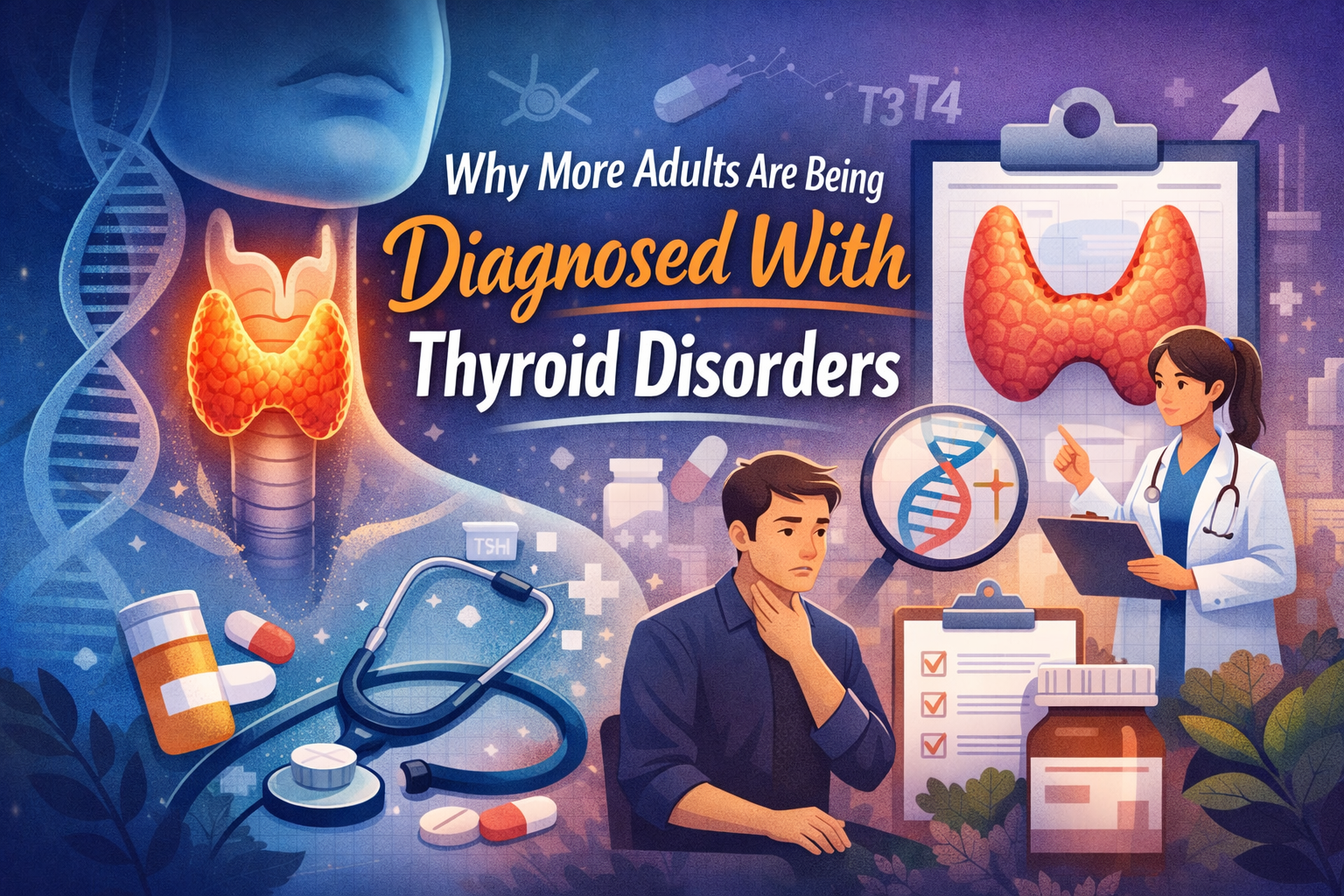
Across medical clinics and primary care offices, physicians are noticing a steady rise in the number of adults diagnosed with thyroid disorders. What was once considered a relatively uncommon hormonal condition is now being identified more frequently during routine health evaluations. General physicians and endocrinologists alike report that thyroid-related concerns are becoming an increasingly common part of everyday medical care.
The thyroid gland, a small butterfly-shaped organ located at the base of the neck, plays a vital role in regulating the body’s metabolism. Through the hormones it produces, the thyroid influences heart rate, energy levels, body temperature, digestion, and even mental clarity. When the thyroid functions improperly, the effects can be felt throughout the entire body.
Doctors emphasize that the rising number of thyroid diagnoses does not necessarily mean the disease itself is suddenly new. Rather, it reflects a combination of improved medical awareness, better diagnostic testing, and changing environmental and lifestyle factors. Physicians are now more equipped than ever to detect subtle hormonal imbalances that might previously have gone unnoticed.
General physicians often identify thyroid disorders during routine checkups when patients report symptoms such as persistent fatigue, unexplained weight changes, mood fluctuations, or difficulty concentrating. These symptoms can easily be mistaken for stress, aging, or lifestyle issues, which is why medical evaluation is so important.
Healthcare professionals emphasize that early detection is critical. When thyroid conditions are diagnosed promptly, physicians can develop treatment strategies that help restore hormonal balance and prevent complications. This proactive approach reflects the broader philosophy of preventive medicine that general physicians advocate for across many chronic conditions.
Doctors also note that thyroid disorders rarely exist in isolation. Hormonal health is closely connected to other aspects of metabolic and cardiovascular health. For example, hypertension and thyroid imbalance often influence one another. The broader implications of cardiovascular health risks are discussed in How High Blood Pressure Is Becoming a Silent Health Crisis, where physicians explain how early detection and monitoring can prevent long-term complications.
As awareness continues to grow, doctors encourage adults to take thyroid health seriously and seek medical advice when unexplained symptoms arise. The increasing diagnosis rates highlight the importance of regular health screenings and the critical role general physicians play in identifying and managing these conditions.
Understanding the Thyroid Gland and Its Role in the Body
To understand why thyroid disorders are becoming more commonly diagnosed, it is important to first understand the role the thyroid gland plays in maintaining overall health. Although small in size, the thyroid is one of the body’s most influential endocrine organs.
The thyroid produces hormones known as thyroxine and triiodothyronine. These hormones regulate the speed at which the body’s cells convert nutrients into energy, a process known as metabolism. Through this metabolic control, the thyroid influences nearly every organ system in the body.
When thyroid hormone levels are balanced, the body’s systems operate efficiently. Energy levels remain stable, body temperature stays regulated, and organs function smoothly. However, when hormone production becomes disrupted, the entire metabolic system can be affected.
An underactive thyroid, known as hypothyroidism, occurs when the gland produces too little thyroid hormone. This condition can slow the body’s metabolism, leading to symptoms such as fatigue, weight gain, depression, and sensitivity to cold temperatures.
Conversely, an overactive thyroid, known as hyperthyroidism, results from excessive hormone production. This can accelerate metabolic processes, causing symptoms such as rapid heartbeat, anxiety, weight loss, and difficulty sleeping.
Doctors emphasize that thyroid disorders often develop gradually, which makes them difficult to recognize without proper medical evaluation. Because thyroid hormones influence so many bodily functions, symptoms can appear in multiple systems at once, creating confusion for patients.
This complexity is one of the reasons physicians play such an important role in diagnosing thyroid disorders. Through careful examination, laboratory testing, and patient history evaluation, doctors can identify hormonal imbalances that might otherwise remain undetected.
Why Thyroid Disorders Are Being Diagnosed More Frequently
One of the primary reasons more adults are being diagnosed with thyroid disorders is the improvement in medical screening and diagnostic technology. Modern blood tests allow physicians to measure thyroid hormone levels with remarkable accuracy. These tests can detect even minor changes in hormone levels, enabling earlier diagnosis.
General physicians frequently include thyroid function tests as part of routine health screenings, especially when patients report symptoms related to fatigue, weight changes, or mood disturbances. As a result, conditions that might previously have gone unnoticed are now being identified earlier.
Increased health awareness also contributes to rising diagnosis rates. Today’s patients are more informed about their health and more likely to seek medical attention when they experience persistent symptoms. This increased engagement allows doctors to investigate potential hormonal issues sooner.
Environmental and lifestyle changes may also influence thyroid health. Factors such as diet, exposure to environmental toxins, chronic stress, and autoimmune conditions can all affect thyroid function. While research continues to explore these connections, physicians recognize that modern living conditions may contribute to hormonal imbalances.
Another important factor is the aging population. Thyroid disorders become more common with age, and as life expectancy increases, more individuals are reaching ages where thyroid dysfunction is more likely to develop.
Doctors emphasize that while rising diagnosis numbers may appear alarming, they also represent progress in medical care. Identifying thyroid disorders early allows physicians to provide treatment that can significantly improve quality of life.
The Role of General Physicians in Identifying Thyroid Disorders
General physicians serve as the first point of contact for many patients experiencing symptoms related to thyroid dysfunction. Because they monitor overall health and maintain long-term relationships with patients, they are uniquely positioned to recognize patterns that suggest hormonal imbalance.
During routine checkups, doctors evaluate a wide range of indicators including weight changes, heart rate, blood pressure, and patient-reported symptoms. These factors can provide important clues about thyroid function.
When physicians suspect a thyroid issue, they typically order blood tests that measure levels of thyroid-stimulating hormone and other related hormones. These tests provide a clear picture of how the thyroid gland is functioning.
The ability of primary care physicians to detect thyroid disorders early highlights the importance of regular medical visits. Through ongoing monitoring and patient communication, doctors can identify subtle health changes before they progress into more serious conditions.
General physicians also coordinate care when specialized treatment is required. In some cases, patients may be referred to endocrinologists who specialize in hormonal disorders. However, primary care doctors remain central to long-term monitoring and treatment management.
Symptoms That Often Lead to Thyroid Diagnosis
One of the reasons thyroid disorders are increasingly diagnosed is that doctors are becoming more attentive to symptoms that may indicate hormonal imbalance. These symptoms can vary widely depending on whether the thyroid is overactive or underactive.
Many patients initially seek medical attention due to persistent fatigue that does not improve with rest. Others may notice unexpected weight changes despite maintaining consistent dietary habits.
Mood changes such as anxiety, irritability, or depression can also signal thyroid dysfunction. Because thyroid hormones influence brain chemistry, emotional health can be directly affected by hormonal imbalance.
Doctors may also investigate thyroid function when patients experience irregular heart rhythms, hair thinning, or changes in skin texture. These symptoms reflect the widespread influence thyroid hormones have on the body.
Because these symptoms overlap with many other health conditions, medical evaluation is essential for accurate diagnosis.
The Link Between Thyroid Disorders and Other Chronic Conditions
Physicians frequently observe connections between thyroid disorders and other chronic health conditions. Hormonal imbalances can influence metabolic processes, which may affect the development of other diseases.
For example, thyroid dysfunction can alter cholesterol levels and influence cardiovascular health. An underactive thyroid may contribute to elevated cholesterol, increasing the risk of heart disease.
Similarly, metabolic disorders such as insulin resistance may interact with thyroid function. Doctors often examine thyroid health when evaluating patients with metabolic conditions. The broader impact of metabolic health on chronic disease is explored in The Rising Concern Over Type 2 Diabetes and What Physicians Want Adults to Know, where physicians discuss the importance of monitoring metabolic health.
By recognizing these connections, doctors can develop more comprehensive treatment plans that address multiple health factors simultaneously.
Treatment Approaches Doctors Use for Thyroid Disorders
When thyroid disorders are diagnosed, physicians develop treatment strategies designed to restore hormonal balance and relieve symptoms. The specific treatment approach depends on the type and severity of the disorder.
For hypothyroidism, doctors commonly prescribe synthetic thyroid hormone medication that replaces the hormone the body is not producing sufficiently. This treatment helps restore normal metabolic function.
Hyperthyroidism may require medications that reduce thyroid hormone production or other therapies that regulate gland activity. Physicians carefully monitor treatment progress through regular blood tests.
General physicians play a critical role in adjusting treatment plans over time to ensure that hormone levels remain within healthy ranges.
Preventing Long-Term Complications Through Early Care
Doctors emphasize that early diagnosis and treatment of thyroid disorders can prevent many potential complications. Untreated thyroid dysfunction can affect cardiovascular health, mental well-being, and overall metabolic balance.
By identifying thyroid problems early, physicians can implement treatment strategies that maintain hormonal stability and protect long-term health.
The Future of Thyroid Health Awareness
Medical research continues to expand our understanding of thyroid disorders and the factors that influence their development. Advances in diagnostic testing and personalized medicine are allowing doctors to detect hormonal imbalances earlier than ever before.
Healthcare systems are also placing greater emphasis on preventive care and patient education, ensuring that individuals recognize symptoms and seek medical evaluation promptly.
Why Doctors Encourage Adults to Pay Attention to Thyroid Health
The rising number of thyroid disorder diagnoses reflects both improved medical awareness and changing health patterns in modern society. For physicians and general practitioners, this trend underscores the importance of routine health monitoring and early detection.
Doctors emphasize that thyroid disorders are manageable conditions when diagnosed early and treated appropriately. With proper medical care, patients can restore hormonal balance and maintain healthy, active lives.
General physicians remain central to this effort. Through regular checkups, patient education, and careful monitoring, they help individuals understand their health risks and take proactive steps toward better well-being.
Ultimately, the message from doctors is clear: paying attention to thyroid health is an essential part of maintaining overall wellness. With continued awareness and proactive healthcare, many thyroid-related health challenges can be detected early, treated effectively, and managed successfully over the long term.
