


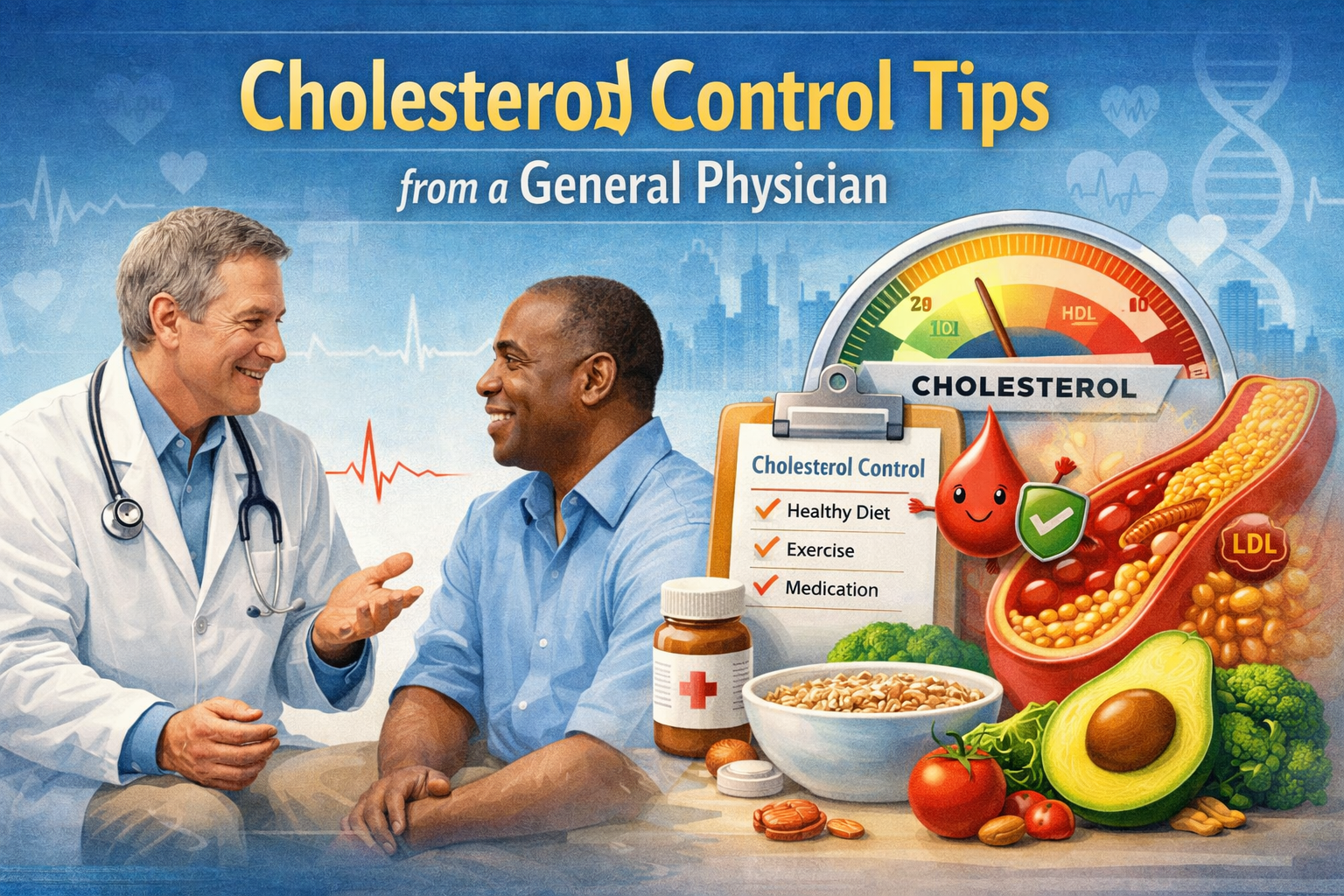
Cholesterol is often spoken about in negative terms, yet it is an essential component of human biology. It plays a critical role in building cell membranes, producing hormones, and supporting various metabolic processes. The challenge arises not from cholesterol itself, but from an imbalance—when levels become elevated beyond what the body requires. This imbalance can quietly contribute to the development of cardiovascular disease, making cholesterol management a cornerstone of long-term health.
The complexity of cholesterol lies in its dual nature. It is carried through the bloodstream by lipoproteins, commonly categorized as low-density lipoprotein and high-density lipoprotein. While one is often associated with plaque buildup in arteries, the other helps remove excess cholesterol from circulation. This delicate balance is influenced by genetics, diet, lifestyle, and underlying health conditions, all of which must be carefully evaluated to determine an individual’s risk profile.
A general physician approaches cholesterol not as an isolated number on a lab report but as part of a broader health narrative. By examining patterns, trends, and contributing factors, doctors are able to identify risks early and implement strategies that go beyond temporary fixes. This comprehensive perspective is what distinguishes professional medical care from generalized advice.
The Silent Progression of High Cholesterol
High cholesterol is often referred to as a silent condition because it typically develops without noticeable symptoms. Unlike acute illnesses that present with immediate discomfort, elevated cholesterol levels can persist for years without detection. During this time, fatty deposits may accumulate within the walls of arteries, gradually narrowing them and restricting blood flow.
This process, known as atherosclerosis, can eventually lead to serious complications such as heart attacks and strokes. What makes it particularly concerning is that the first visible sign of the condition may be a major cardiovascular event. This underscores the importance of regular monitoring and early intervention, both of which are central to primary care.
A general physician plays a vital role in identifying this silent progression. Through routine screenings and ongoing evaluation, doctors can detect changes in cholesterol levels before they reach critical thresholds. This proactive approach allows for timely intervention, reducing the risk of long-term complications.
The connection between cholesterol and other cardiovascular factors is also significant. High blood pressure, for example, often coexists with elevated cholesterol, amplifying the risk of heart disease. This relationship is explored in Managing Hypertension with a Primary Care Doctor: A Complete Guide to Long-Term Blood Pressure Control and Better Heart Health, where the interplay between these conditions highlights the need for integrated care.
Why General Physicians Are Central to Cholesterol Management
In a healthcare landscape that offers a wide range of services, the role of the general physician remains foundational. These doctors serve as the first point of contact for patients, providing a level of continuity and personalization that is essential for managing chronic conditions such as high cholesterol.
A general physician does more than interpret lab results. They consider the patient’s overall health, lifestyle, and medical history to develop a treatment plan that is both effective and sustainable. This individualized approach ensures that recommendations are tailored to the patient’s specific needs rather than based on generic guidelines.
Continuity of care is particularly important in cholesterol management. Unlike conditions that can be resolved with a single course of treatment, high cholesterol requires ongoing monitoring and adjustment. A primary care doctor tracks progress over time, making necessary changes to ensure that treatment remains effective.
The relationship between doctor and patient also plays a crucial role. Trust and communication are essential for successful management, as patients are more likely to adhere to treatment plans when they understand their importance and feel supported in their efforts.
Lifestyle Factors and the Path to Better Cholesterol Control
Lifestyle choices are among the most significant contributors to cholesterol levels. Diet, physical activity, stress, and sleep all influence how the body produces and processes cholesterol. While general advice is widely available, translating these recommendations into practical, sustainable habits requires guidance and support.
A general physician helps patients navigate this process by providing personalized recommendations that align with their daily routines. Rather than imposing rigid restrictions, doctors work collaboratively with patients to identify achievable changes that can be maintained over time. This approach increases the likelihood of long-term success.
Dietary adjustments often focus on reducing the intake of saturated fats and incorporating foods that support heart health. Physical activity plays an equally important role, helping to improve circulation and regulate lipid levels. Stress management and adequate sleep further contribute to overall well-being, creating a holistic framework for cholesterol control.
These lifestyle changes are not isolated interventions but part of a broader strategy that addresses multiple aspects of health. By integrating these elements, primary care doctors help patients build a foundation for lasting improvement.
Medical Treatment and Ongoing Monitoring
While lifestyle modifications are often the first line of defense, some patients require medical treatment to achieve optimal cholesterol levels. The decision to initiate medication is based on a comprehensive assessment of risk, including factors such as age, family history, and the presence of other health conditions.
Medications designed to lower cholesterol are highly effective when used appropriately, but their success depends on careful monitoring and adjustment. A general physician evaluates the patient’s response to treatment, ensuring that the chosen approach remains both safe and effective.
Ongoing monitoring is a critical component of this process. Regular follow-up appointments allow doctors to track changes in cholesterol levels, assess the effectiveness of interventions, and make necessary adjustments. This continuous oversight ensures that treatment remains aligned with the patient’s evolving needs.
The integration of medical treatment with lifestyle changes creates a balanced approach that addresses both immediate and long-term goals. By combining these strategies, primary care doctors provide comprehensive care that maximizes outcomes.
The Broader Impact of Cholesterol on Overall Health
Cholesterol does not exist in isolation; it is closely linked to other aspects of health. Elevated levels can influence cardiovascular function, metabolic processes, and even the body’s response to illness. Understanding these connections is essential for effective management.
For example, individuals with high cholesterol may also be at increased risk for conditions such as hypertension and diabetes. These interconnected risks require a coordinated approach to care, one that addresses multiple factors simultaneously. A general physician is uniquely equipped to provide this level of integration, ensuring that treatment plans consider the full scope of the patient’s health.
The impact of cholesterol extends beyond physical health. The awareness of elevated levels can create चिंता and uncertainty, particularly when patients are unsure how to manage the condition. By providing clear guidance and support, primary care doctors help alleviate these concerns, fostering a sense of control and confidence.
The relationship between chronic conditions and overall health is further explored in Top-Rated Doctors Explain Viral Infections, Symptoms, Treatment, and When to See a Primary Care Physician, where the importance of comprehensive care is emphasized. These connections highlight the need for a holistic approach that addresses both immediate and long-term health challenges.
Preventive Care and Long-Term Health Strategies
Preventive care is a cornerstone of effective cholesterol management. By identifying risk factors early and implementing targeted interventions, primary care doctors help patients avoid the complications associated with high cholesterol. This proactive approach is particularly valuable in a condition that often develops without symptoms.
Regular screenings are an essential component of prevention, providing insight into cholesterol levels and trends over time. These screenings allow doctors to detect changes early and adjust treatment plans accordingly. Preventive care also includes education, helping patients understand the importance of maintaining healthy cholesterol levels and the steps required to achieve them.
Long-term strategies focus on sustainability. Rather than short-term fixes, primary care doctors emphasize habits that can be maintained over a lifetime. This includes balanced nutrition, consistent physical activity, and regular medical checkups. By adopting these practices, patients can reduce their risk of cardiovascular disease and improve overall health.
Building a Strong Doctor-Patient Partnership
The management of high cholesterol is most effective when it is approached as a partnership between doctor and patient. This relationship is built on trust, communication, and shared responsibility. A general physician provides the expertise and guidance needed to navigate the condition, while the patient plays an active role in implementing recommendations.
This collaborative approach enhances adherence to treatment plans and improves outcomes. Patients who feel supported and informed are more likely to engage in their care, leading to more consistent and effective management. The doctor-patient partnership is not limited to clinical interactions; it extends to ongoing support and encouragement.
Over time, this relationship fosters a deeper understanding of the patient’s health, allowing for more personalized and effective care. It also creates a sense of continuity, ensuring that patients receive consistent guidance throughout their health journey.
Choosing Expertise for Lifelong Heart Health
Cholesterol management is a complex and ongoing process that requires careful attention, informed decision-making, and professional guidance. While the condition may not present with immediate symptoms, its long-term impact on health is significant. Addressing it effectively requires more than general advice; it requires the expertise of a general physician who can provide personalized care and continuous support.
From early detection and lifestyle modifications to medical treatment and preventive strategies, primary care doctors play a central role in maintaining heart health. Their ability to integrate multiple aspects of care ensures that patients receive comprehensive treatment that addresses both immediate concerns and long-term goals.
In a world where health information is abundant but often fragmented, the guidance of a trusted doctor provides clarity and confidence. Choosing to work with a general physician is not simply a step toward managing cholesterol; it is a commitment to lifelong health, stability, and well-being.
