


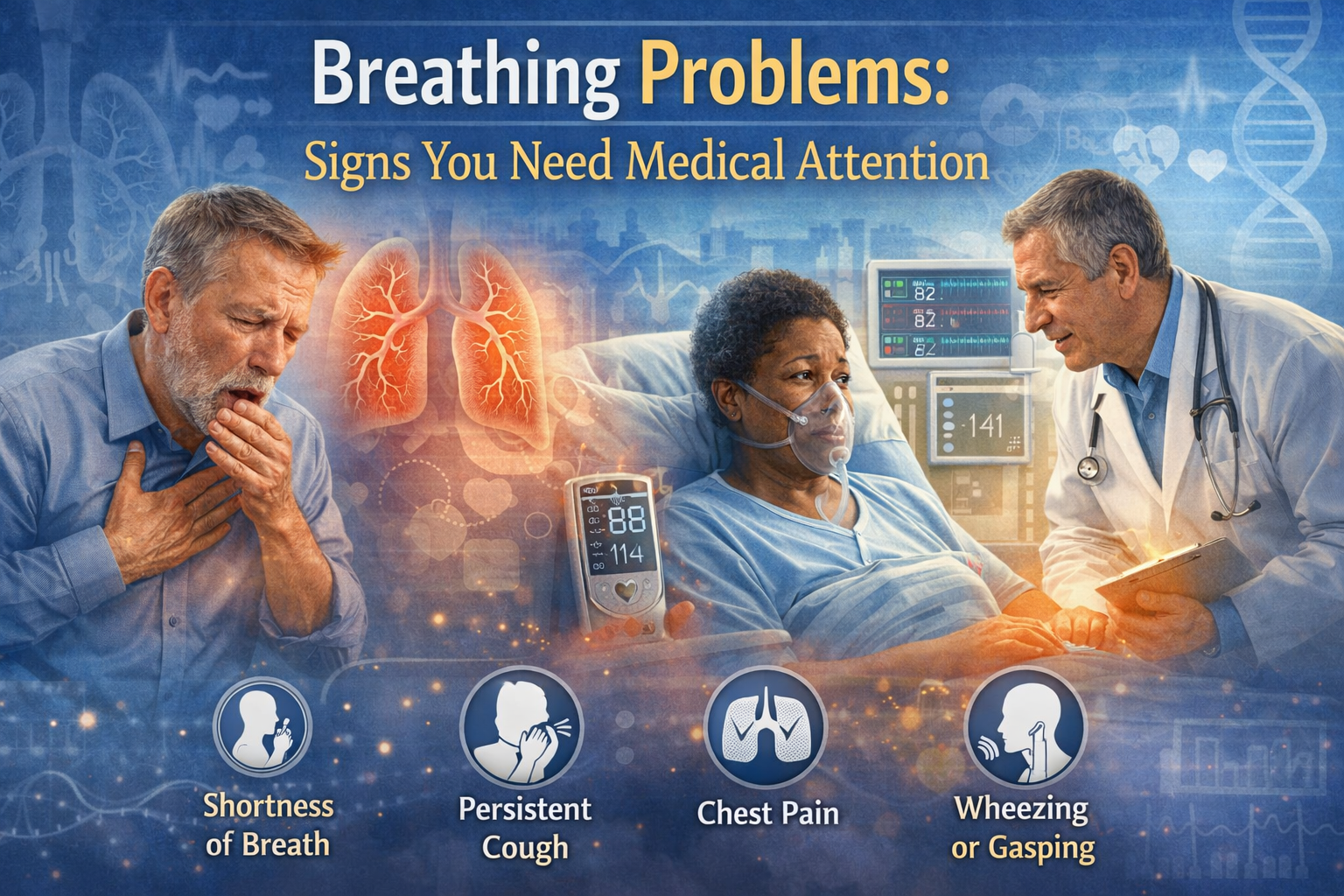
Breathing is the most fundamental function of life, so constant and automatic that it often goes unnoticed until something begins to feel wrong. Every breath delivers oxygen to the body’s tissues and removes carbon dioxide, maintaining a delicate balance essential for survival. When this process is disrupted, even slightly, it can create a sense of discomfort that quickly escalates into concern. For many individuals, breathing problems are among the most alarming symptoms they can experience, triggering both physical distress and emotional anxiety.
Despite its importance, breathing is influenced by multiple systems within the body, including the lungs, heart, blood vessels, and even the brain. A disruption in any of these systems can lead to shortness of breath, chest tightness, or difficulty inhaling or exhaling. This complexity makes breathing problems particularly challenging to interpret without medical expertise. What may appear to be a minor issue could, in some cases, signal a more serious underlying condition.
Primary care doctors and general physicians play a critical role in evaluating these symptoms. Their ability to assess the full clinical picture allows them to distinguish between temporary discomfort and conditions that require immediate attention. In a healthcare environment where patients often rely on self-assessment, the value of professional evaluation cannot be overstated.
Recognizing the Early Signs of Breathing Problems
Breathing difficulties rarely appear without warning. In many cases, subtle changes precede more noticeable symptoms, offering an opportunity for early intervention. These changes may include mild shortness of breath during routine activities, a persistent cough, or a feeling of tightness in the chest. While these symptoms may be easy to dismiss, they often represent the body’s attempt to signal that something is not functioning as it should.
As symptoms progress, they may become more pronounced. Patients may experience difficulty breathing while at rest, rapid or shallow breathing, or a sensation of not getting enough air. In some cases, breathing problems may be accompanied by fatigue, dizziness, or confusion, indicating that oxygen levels are not being maintained effectively.
The challenge lies in determining when these symptoms require medical attention. This decision is not always straightforward, as the severity of symptoms does not always correlate with the seriousness of the underlying condition. A primary care doctor evaluates these symptoms within the broader context of the patient’s health, ensuring that subtle warning signs are not overlooked.
Understanding the broader framework of long-term health can provide valuable insight into how symptoms develop and progress. This perspective is explored in Internal Medicine Doctor Advice on Long-Term Health: A Comprehensive Guide to Preventive Care, Chronic Disease Management, and Lifelong Wellness, where the importance of early detection and continuous care is emphasized.
When Breathing Problems Become a Medical Emergency
While some breathing issues may resolve on their own, others require immediate medical attention. Sudden onset of severe shortness of breath, chest pain, or difficulty speaking due to lack of air are clear indicators that urgent care is needed. These symptoms may be associated with conditions such as asthma attacks, pneumonia, or cardiovascular events, all of which require prompt evaluation and treatment.
The body’s response to reduced oxygen levels can be rapid and unpredictable. As oxygen delivery decreases, vital organs such as the brain and heart may begin to experience stress. This can lead to confusion, कमजोरी, and in severe cases, loss of consciousness. Recognizing these signs early and seeking medical care can be life-saving.
Primary care doctors are trained to identify these critical symptoms and initiate appropriate interventions. Their expertise allows them to assess the severity of the condition quickly and determine whether additional care or referral is necessary. This ability to act decisively is a key factor in preventing complications and ensuring patient safety.
The Role of General Physicians in Diagnosing Breathing Issues
Diagnosing breathing problems requires a comprehensive approach that considers multiple factors. A general physician begins with a detailed medical history, exploring the onset, duration, and progression of symptoms. This is followed by a physical examination, which may include listening to the lungs, assessing oxygen levels, and evaluating overall respiratory function.
In many cases, additional tests are required to confirm a diagnosis. These may include imaging studies, blood tests, or pulmonary function tests, each providing valuable information about the underlying cause of the symptoms. The goal is not only to identify the immediate issue but also to understand its broader implications for the patient’s health.
The ability to interpret these findings accurately is what distinguishes professional medical care from self-diagnosis. A primary care doctor integrates clinical data with experience and judgment, ensuring that treatment is both precise and effective. This approach reduces the risk of misdiagnosis and ensures that patients receive the care they need.
The Connection Between Breathing and Cardiovascular Health
Breathing problems are often closely linked to cardiovascular health. The heart and lungs work together to deliver oxygen to the body, and a disruption in one system can affect the other. Conditions such as heart disease, high cholesterol, and hypertension can all contribute to breathing difficulties, highlighting the importance of a holistic approach to diagnosis and treatment.
The relationship between cardiovascular health and overall well-being is explored in Cholesterol Control Tips from a General Physician: A Complete Guide to Managing High Cholesterol and Protecting Long-Term Heart Health, where the interconnected nature of these systems is examined. Understanding these connections allows doctors to address not only the symptoms but also the underlying causes of breathing problems.
Primary care doctors are uniquely positioned to manage these complexities. By considering the full scope of a patient’s health, they ensure that treatment plans address all contributing factors. This integrated approach leads to more effective outcomes and reduces the risk of recurrence.
Avoiding the Risks of Ignoring Symptoms
One of the most common challenges in managing breathing problems is the tendency to delay medical care. Patients may attribute symptoms to temporary factors such as fatigue or stress, choosing to wait and see if they resolve on their own. While this approach may be appropriate in some cases, it can also lead to missed opportunities for early intervention.
Ignoring symptoms can allow conditions to progress, increasing the risk of complications. What begins as mild discomfort can evolve into a more serious issue, requiring more intensive treatment. By seeking care early, patients can avoid this progression and achieve better outcomes.
Primary care doctors provide the guidance needed to navigate this uncertainty. Their ability to assess symptoms and determine the appropriate course of action ensures that patients receive timely and effective care. This proactive approach is essential for maintaining respiratory health and overall well-being.
The Importance of Preventive Care in Respiratory Health
Preventive care plays a crucial role in reducing the risk of breathing problems. Regular checkups, vaccinations, and lifestyle modifications all contribute to maintaining healthy lungs and respiratory function. A primary care doctor works with patients to develop strategies that support long-term health, addressing risk factors before they lead to illness.
Lifestyle factors such as smoking, physical inactivity, and poor air quality can all impact respiratory health. By addressing these factors, patients can reduce their risk of developing breathing problems and improve their overall quality of life. Preventive care is not a one-time intervention but an ongoing process that requires consistency and commitment.
Education is a key component of this process. Understanding how to recognize early symptoms, avoid triggers, and maintain healthy habits empowers patients to take control of their health. This knowledge, combined with professional guidance, creates a strong foundation for long-term well-being.
Building Trust in Medical Expertise
Trust is an essential element of effective healthcare, particularly when dealing with symptoms as concerning as breathing problems. Patients need to feel confident that their concerns are being taken seriously and that they are receiving accurate and reliable information.
Primary care doctors build this trust through consistent, compassionate care. Their ability to listen, diagnose, and treat effectively fosters confidence and reassurance. This relationship is particularly important during episodes of illness, when patients may feel vulnerable and uncertain.
The continuity of care provided by general physicians enhances this trust, allowing for a deeper understanding of the patient’s health over time. This familiarity leads to more accurate diagnoses and more effective treatment plans, ensuring that patients receive the best possible care.
Taking Breathing Problems Seriously
Breathing is a fundamental aspect of life, and any disruption to this process should be taken seriously. While not all breathing problems are severe, the potential for serious underlying conditions makes it essential to seek professional evaluation when symptoms arise.
Primary care doctors provide the expertise and guidance needed to navigate these challenges. Their ability to assess symptoms, identify causes, and deliver personalized treatment ensures that patients receive comprehensive care. From early detection to long-term management, their role is central to maintaining respiratory health.
In a world where health concerns can quickly become overwhelming, the presence of a trusted general physician offers clarity and reassurance. Choosing to seek medical attention is not simply a response to symptoms; it is a proactive step toward protecting health, preventing complications, and ensuring a better quality of life.
